Japan Travel Guide: Everything You Need to Know Before You Go (2026)
⏲ 10 mins read · last updated January 2026
Planning a trip to Japan? This comprehensive Japan travel guide covers everything you need to know before you go — from the best time to visit and how to get around, to budgeting, transport and the insider tips that only come from having lived there. Consider this your starting point.
Japan is one of those destinations that rewards preparation. Not because it's difficult — it's actually one of the most accessible countries in the world — but because a well-planned Japan trip feels effortless in a way that a poorly planned one simply doesn't. Whether it's your first visit or a return trip ready to go deeper, the details matter.
Is Japan Right for You?
The short answer — yes, for almost every type of traveller. But what Japan offers depends enormously on how you approach it.
First-time visitors are often overwhelmed in the best possible way — the food, the transport, the sheer variety of experiences across Tokyo, Kyoto and Osaka alone could fill two weeks without scratching the surface. Before you go, it's worth reading our guide to the most common Japan travel mistakes to avoid — small planning decisions that make a big difference.
Repeat visitors who've done the main cities are often looking for something more considered — regional Japan, ryokan towns, coastal areas, mountain villages. This is where the country truly opens up.
Families will find Japan one of the safest, cleanest and most genuinely child-friendly destinations in the world — with enough variety to keep everyone happy.
Luxury travellers will find that Japan's standard of hospitality — from boutique ryokans to kaiseki dining — is unlike anywhere else on earth.
Japan is genuinely spectacular in every season — but each one offers a completely different experience. Timing your trip is one of the most important decisions you'll make. Cherry blossom season, in March and April is the most popular time to visit, while autumn foliage, in October and November offers equally stunning conditions with slightly fewer crowds.

a.o.mi’s insider note
Most people underestimate how much there is beyond the classic Tokyo–Kyoto–Osaka route. After 10 years living in Japan, I'd say the country really reveals itself on the second or third trip — when you have the confidence to go off the main trail.
Best Time to Visit Japan
Japan is a year-round destination — but each season offers something genuinely different. For a full season-by-season breakdown including crowd levels, pricing and what to expect each month, see our dedicated guide to the best time to visit Japan.
Spring (March–May): Cherry blossom season (sakura), mild weather and the most popular time to visit. Book accommodation and experiences well in advance — this period fills up months ahead.
Summer (June–August): Festivals, fireworks and a vibrant atmosphere. Hot and humid, particularly in July and August, but the energy is unlike any other time of year.
Autumn (September–November): Stunning autumn foliage, cool comfortable weather and fewer crowds than spring. Arguably the best season for Japan travel — and often underrated by first-timers.
Winter (December–February): Snow landscapes, ski season and a quieter, more contemplative Japan. Hokkaido and the Japanese Alps are spectacular. Onsen season at its best.


a.o.mi's insider note
Autumn is my personal favourite — the foliage is extraordinary and the weather is perfect for walking. For cherry blossom, aim for early April when the blossoms are still out but the peak rush has passed.
Where to Go in Japan: A Classic First-Time Itinerary
For first-time visitors, a 10–14 day Japan itinerary covering Tokyo, Kyoto, Osaka and Hakone gives you the right balance without feeling rushed. For a full breakdown of the best neighbourhoods to stay in each city, see our guide to where to stay in Japan.

a.o.mi's insider note
Stay in Shinjuku for your first Tokyo visit — it's incredibly well-connected, and has everything from budget ramen to Michelin-starred dining within walking distance.
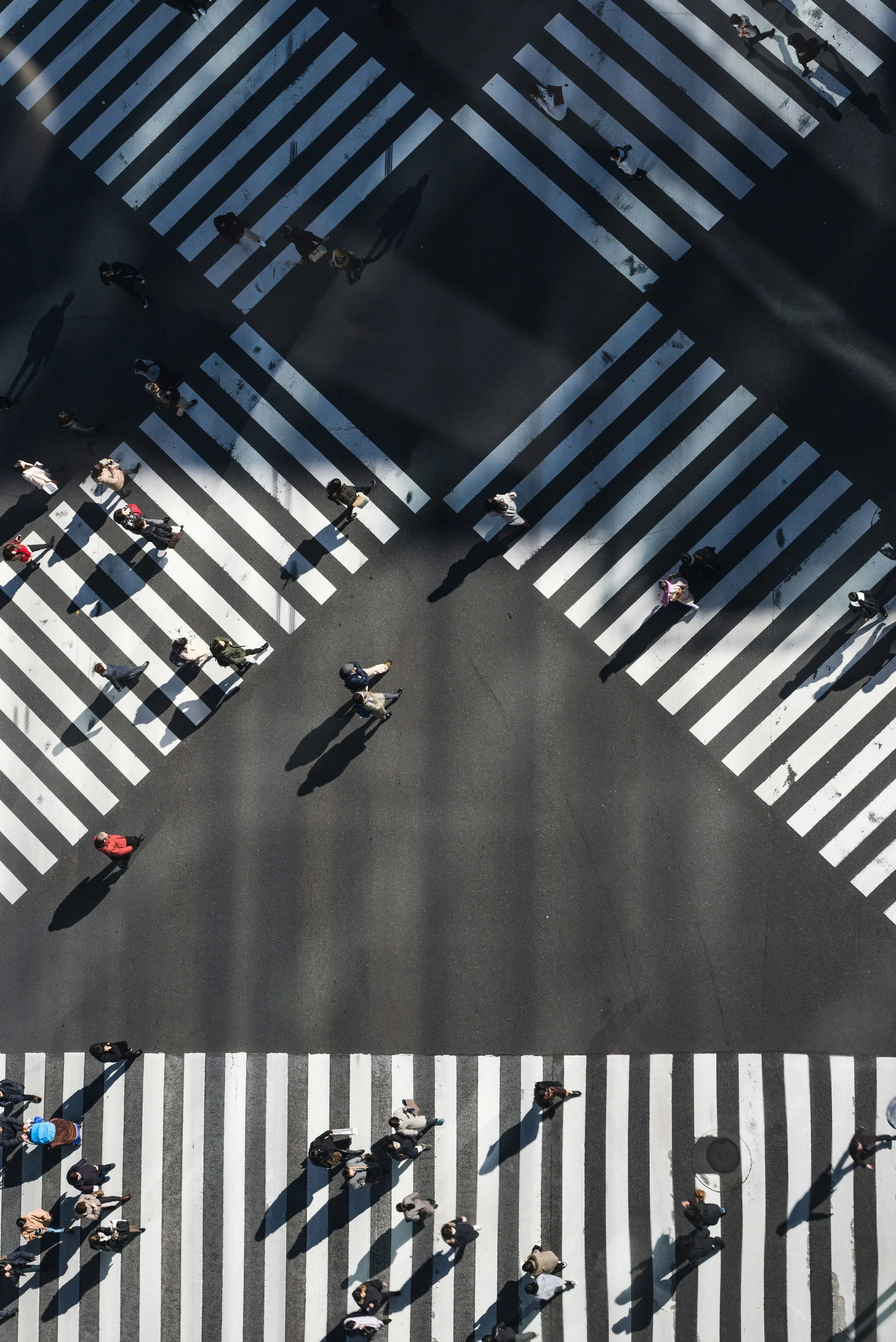
Tokyo (Days 1–4) — Modern city life, world-class food and culture. Shibuya, Shinjuku and Asakusa are essential.
Kyoto (Days 5–7) — Traditional Japan at its most beautiful. Fushimi Inari, Arashiyama and Gion are must-sees.

a.o.mi's insider note
Visit Fushimi Inari at dawn — before 7am if you can manage it. The torii gate tunnel is one of the most photographed sights in Japan, and for good reason, but the midday crowds can make it feel like a theme park. Early morning is a completely different experience.
Nara (Day 8 — day trip from Kyoto) — Home to hundreds of free-roaming deer and the spectacular Todai-ji temple. An easy 45-minute train from Kyoto and one of the most memorable day trips in Japan.
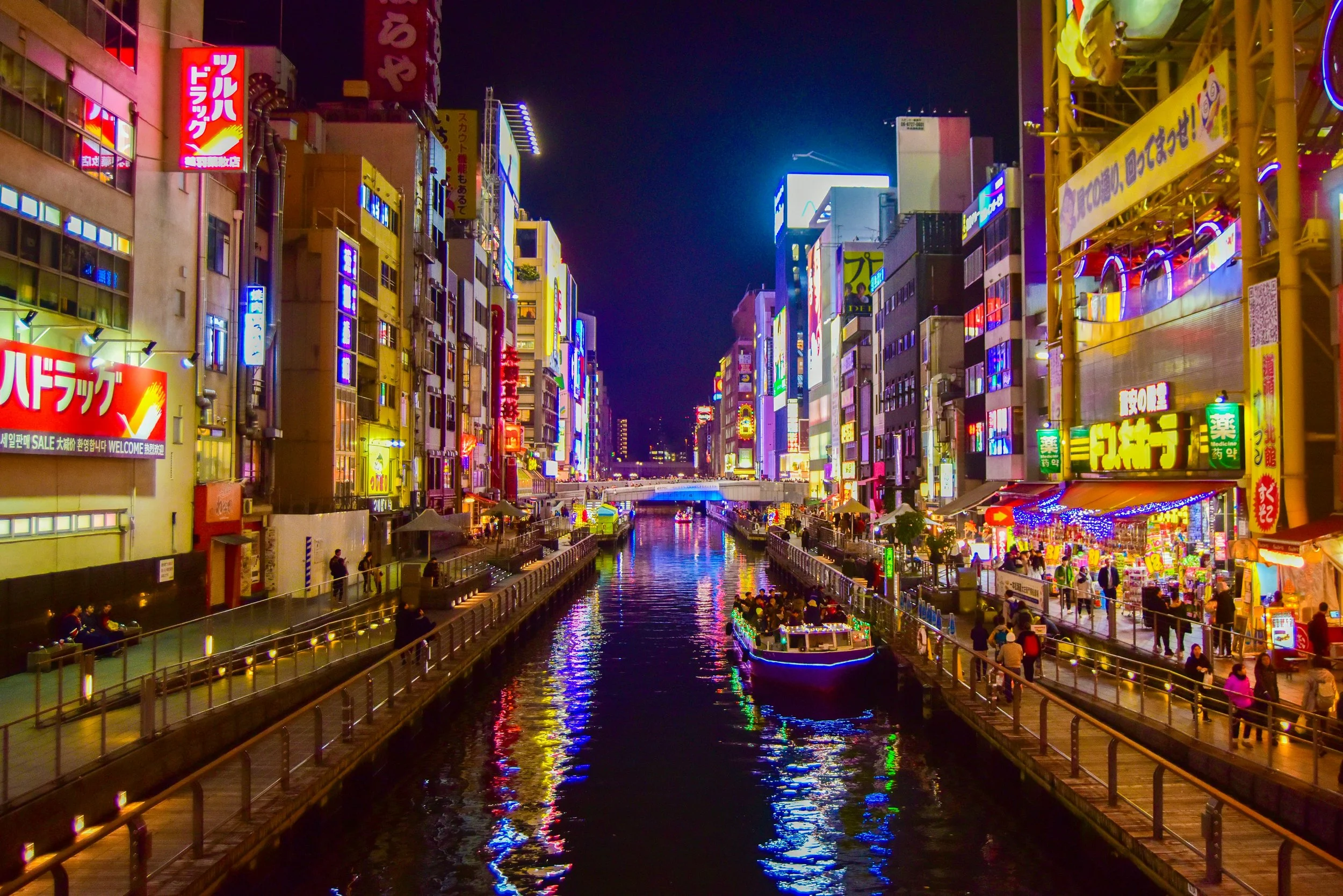
Osaka (Days 9–10) — Japan's food capital. Dotonbori, Osaka Castle and the street food scene are highlights.
a.o.mi's insider note
Osaka is best experienced at night — the city comes alive after dark. Don't fill your days with too many sights here. Leave time to wander, eat and eat again.

Hakone / Mt Fuji (Days 11–12) — Nature, hot springs and Mt Fuji views. The perfect place to experience a traditional ryokan stay for the first time.
Tokyo (Days 13–14) — Return to Tokyo for any last experiences, shopping and your departure flight. Use this time for neighbourhoods you missed on the first leg — Yanaka, Shimokitazawa or Tsukiji are worth exploring.

a.o.mi's insider note
Mt Fuji views are weather-dependent — don't build your whole trip around them. Hakone is wonderful regardless of whether Fuji appears through the clouds. The ryokans here are some of the most accessible in Japan for first-timers.
For a full day-by-day breakdown with timings, transport and what to do each day, see our complete 14-day Japan itinerary.
Thinking about your own Japan trip? We'd love to help you plan it — see how we design personalised Japan itineraries.
Getting Around Japan
Japan's transport system is one of the best in the world. The JR Pass can be cost-effective depending on your itinerary — but it's not always the best value for every trip. For a full breakdown of what transport costs, see our Japan trip cost guide.
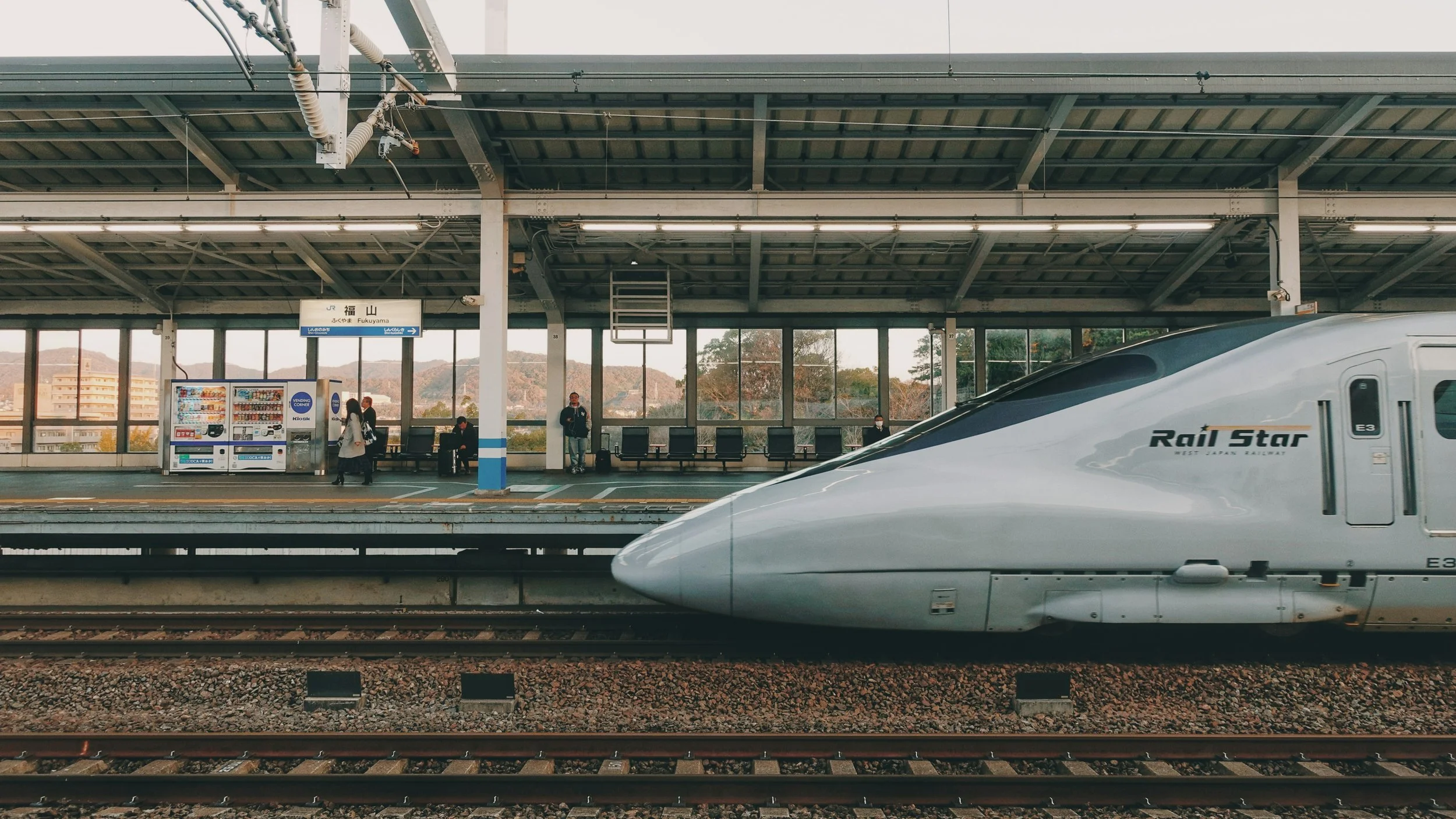
Shinkansen (bullet trains) — Fast, efficient and genuinely impressive. The backbone of intercity travel in Japan. Tokyo to Kyoto takes approximately 2 hours 20 minutes.
JR Pass — Can be cost-effective depending on your itinerary, but it's not always the best value for every trip. The key is knowing your route before you buy. We help our clients work out whether the JR Pass makes financial sense for their specific itinerary before they commit.
IC Cards (Suica / Pasmo) — Rechargeable cards used for local trains, buses and even convenience store purchases. Essential for navigating within cities — get one on arrival at any major station.
Pocket WiFi or SIM card — Non-negotiable. Google Maps is your best friend for transport navigation in Japan and works remarkably well — but you need data to use it. Arrange this before you arrive.
a.o.mi's insider note
The JR Pass question comes up constantly. My honest answer — it depends entirely on your route. For the classic Tokyo–Kyoto–Osaka–Hiroshima loop, it often pays for itself. For a shorter trip staying mostly in Tokyo, it probably doesn't. Get in touch and we'll run the numbers for your specific itinerary.
How much does a Japan trip cost?
Japan can be as affordable or as premium as you choose. For Australian travellers, a 10–14 day trip typically ranges from $5,000 to $14,000+ AUD per person depending on travel style. For a full breakdown covering flights, accommodation, food and activities, see our Japan trip cost guide for Australians.

a.o.mi's insider note
The luggage forwarding tip is one most travellers discover too late. If you're moving between multiple cities — Tokyo, Kyoto, Osaka — send your main bags ahead and travel with just a day pack on the Shinkansen. It transforms the experience. Most hotels can arrange this at the front desk for around ¥2,000 per bag.
Essential Japan travel checklist and tips
Cash is still widely used across Japan — carry yen, particularly outside major cities. ATMs at 7-Eleven and Japan Post are the most reliable for foreign cards.
Book popular restaurants and experiences well in advance — some of the best places in Tokyo and Kyoto require reservations months ahead, particularly for omakase dining.
Travel light — luggage forwarding services (takuhaibin) are inexpensive and widely available, letting you send bags ahead to your next hotel while you travel freely.
Respect local customs — quiet on trains, remove shoes when indicated, don't eat while walking in traditional areas. Japan is exceptionally welcoming to visitors who show basic cultural awareness.
Google Maps works extremely well for transport navigation throughout Japan — use it confidently for train routes, walking directions and bus times.
Tipping is not customary in Japan and can occasionally cause offence. Exceptional service is simply the standard — no gratuity expected or required.
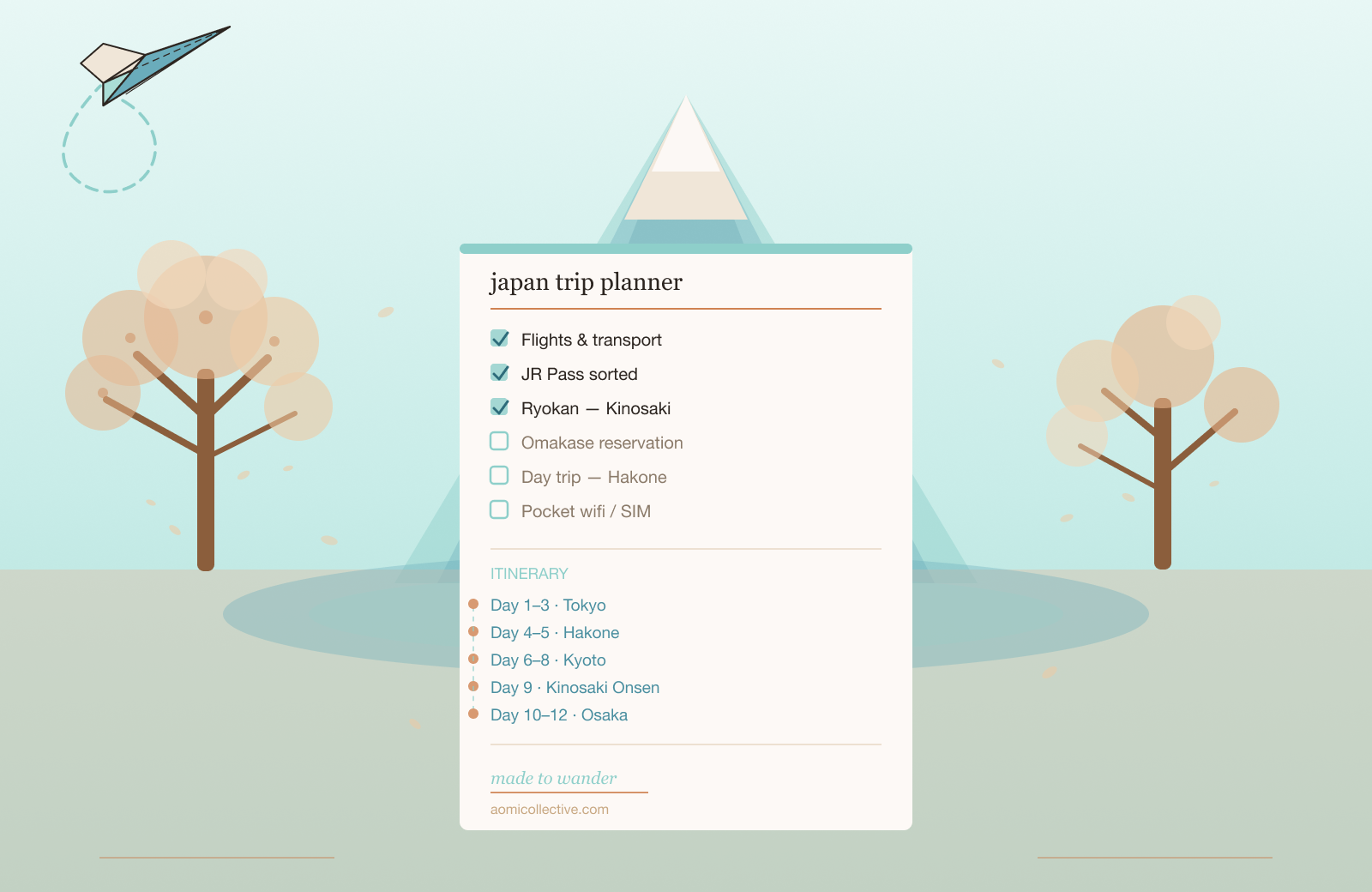
Sample 2-Week Japan Itinerary (Quick Overview)
Days 1–4: Tokyo
Days 5–7: Kyoto
Day 8: Nara (day trip)
Days 9–10: Osaka
Days 11–12: Hakone / Mt Fuji
Days 13–14: Tokyo
Should You Use a Japan Travel Planner?
Japan is an incredible destination — but it can also be genuinely complex to plan well, especially when balancing logistics, transport timing and experiences across multiple cities. A personalised Japan itinerary helps you maximise your time, avoid common planning mistakes, discover experiences beyond the typical tourist route, and travel seamlessly with everything organised.
The difference between a good Japan trip and an exceptional one is often in the details — the ryokan that doesn't appear on booking platforms, the restaurant that requires a reservation made months in advance, the timing of a temple visit that makes the experience feel private rather than crowded. That's where having someone who knows Japan from the inside makes a real difference.
Plan Your Personalised Japan Journey
Ready to turn this into your actual trip? At a.o.mi collective, we design personalised Japan itineraries for Australian travellers — handling everything from ryokan bookings to JR Pass guidance so you don't have to. Founded by someone who lived and worked in Japan for 10 years, every itinerary we design is built on firsthand knowledge, trusted supplier networks and genuine care for your experience.
Frequently asked questions
How many days do you need in Japan for a first visit?
Most first-time visitors find 10–14 days gives the right balance — enough time to cover Tokyo, Kyoto, Osaka and Hakone without feeling rushed. Less than 10 days means making difficult trade-offs; more than 14 days opens up regional Japan significantly.
Is Japan expensive to visit from Australia?
Less than its reputation suggests. A mid-range 14-day trip typically costs $5,000–$7,500 AUD per person including flights. See our full Japan trip cost guide for Australians for a detailed breakdown.
When is the best time to visit Japan?
Spring (March–April) for cherry blossoms and autumn (October–November) for foliage are the most popular — and for good reason. For a full season-by-season guide see our best time to visit Japan guide.
Do I need to speak Japanese to travel in Japan?
Not at all. Major cities have extensive English signage, Google Maps works excellently throughout Japan, and translation apps handle most situations. Japan is one of the most accessible non-English-speaking destinations in the world for first-time visitors.
Where should I stay in Japan?
For a first trip: Shinjuku or Shibuya in Tokyo, Gion or Kawaramachi in Kyoto, Namba in Osaka, and at least one night in a ryokan in Hakone. See our full guide to where to stay in Japan for a city-by-city breakdown.
You might also find these useful
→ How much does a trip to Japan cost from Australia?
→ When is the best time to visit Japan? A season-by-season guide
→ Where to stay in Japan: best areas and accommodation for every travel style
→ The perfect 14-day Japan itinerary for first-time visitors
plan your personalised japan journey
tell us about your trip and we'll be in touch within 1–2 business days to start designing your itinerary.
start planning my trip