Where to Stay in Japan: Best Areas and Accommodation for Every Travel Style (2026)
⏲ 9 mins read · last updated August 2026
Choosing where to stay in Japan is one of the decisions that most significantly shapes your experience — and one that many travellers underestimate until they're there. Japan's cities are large and layered, and the right neighbourhood doesn't just give you a comfortable base. It affects how easily you move around, which experiences feel accessible, and the overall tone of your trip.
This guide breaks down the best areas to stay in Japan across Tokyo, Kyoto, Osaka and Hakone — covering the neighbourhoods, accommodation styles and insider recommendations that come from having lived and travelled across the country for over 10 years.

Where Should You Stay
For most Japan itineraries, you'll move between two or three cities. Not sure which cities to include or how long to spend in each? Our 14-day Japan itinerary maps out a recommended first-time route.
The key to choosing well is balancing three things:
Transport connectivity — proximity to train stations matters more in Japan than almost anywhere else
Access to the experiences you actually want — not just the biggest attractions
Accommodation style — whether that's a luxury hotel, a design-led boutique property or a traditional ryokan stay
For a full breakdown of what accommodation costs at each level, see our Japan trip cost guide.
Where to Stay in Tokyo: Best Neighbourhoods
Tokyo is one of the world's great cities — and one of its most overwhelming. Knowing where to stay in Tokyo comes down to understanding what you want from the city and how you plan to move around it. The best time to visit Tokyo also shapes which neighbourhoods feel most alive.

a.o.mi’s insider note
Shinjuku is my default recommendation for first-time Tokyo visitors. It's not the most atmospheric neighbourhood, but the transport convenience is unmatched — stay near the south or west exit for the best connections.
Shinjuku — Best for convenience and transport
Tokyo's busiest transport hub, with direct connections across the city, to the airport and to destinations like Hakone and Nikko. Hotels range from business-style to premium. For first-time visitors, Shinjuku is hard to beat as a base.
Best for: first-time visitors, short stays, transport-dependent itineraries
Shibuya — Best for lifestyle and energy
Home to the famous crossing, excellent shopping, vibrant dining and some of Tokyo's best rooftop bars. Shibuya has evolved significantly in recent years — the area around Scramble Square and the new Miyashita Park precinct is genuinely exciting.
Best for: younger travellers, food and shopping, repeat visitors
Ginza — Best for luxury and sophistication
Tokyo's most upscale district, known for designer boutiques, fine dining, Michelin-starred restaurants and premium hotel properties. If luxury Japan travel is your priority, Ginza puts you at the centre of it.
Best for: luxury travellers, fine dining, premium Japan travel experiences
Asakusa — Best for culture and atmosphere
Tokyo's most traditional neighbourhood — home to Senso-ji temple, rickshaw rides, craft shops and a genuinely slower pace that feels removed from the rest of the city. Excellent value relative to other central areas.
Best for: cultural experiences, slower pace, repeat visitors seeking a different Tokyo


a.o.mi’s insider note
For repeat visitors, I often recommend splitting the Tokyo stay — a few nights in Shinjuku at the start, then moving to Asakusa or Yanaka for the final nights. It gives you two completely different versions of the city in one trip. The contrast is part of what makes Tokyo so endlessly interesting.
Where to Stay in Kyoto: Best Neighbourhoods
Kyoto is smaller and more navigable than Tokyo, but where you stay matters enormously. The city's most atmospheric experiences — early morning temple visits, geisha district evenings, riverside walking — are best accessed on foot. During cherry blossom and autumn foliage seasons, booking well ahead is essential — the best properties sell out months in advance.

a.o.mi’s insider note
If budget allows, staying in a renovated machiya townhouse in Gion is one of the most memorable accommodation experiences in Japan. They're small, intimate and deeply atmospheric — nothing like a standard hotel. Book well in advance as the best ones sell out months ahead, particularly in spring and autumn.
Gion / Higashiyama — Best for traditional atmosphere
Kyoto's most iconic districts — historic cobblestone streets, wooden machiya townhouses, teahouses and the highest concentration of the city's temples and shrines. Staying here puts you in the heart of traditional Kyoto, within walking distance of Fushimi Inari, Kiyomizudera and the Gion geisha district.
Best for: first-time visitors, cultural immersion, boutique hotel and machiya stays
Kawaramachi — Best for convenience
Central location with easy access to transport, shopping along Shijo-dori and excellent dining. A practical, well-connected base that works for almost any type of Kyoto itinerary.
Best for: balanced stays, families, travellers covering a lot of ground
Arashiyama — Best for scenic and relaxed stays
Located on Kyoto's western edge, Arashiyama is known for its bamboo grove, Tenryu-ji temple and quiet riverside atmosphere. Staying here gives you access to a side of Kyoto most day-trippers miss — the area is most beautiful in the early morning and evening after the crowds have gone.
Best for: luxury ryokan experiences, nature, slower-paced itineraries

a.o.mi’s insider note
Arashiyama is genuinely magical at dawn — before the tour groups arrive. If you're staying in the area, walk to the bamboo grove by 7am. You may have it nearly to yourself.
a.o.mi’s insider note
Kyoto's lodging tax (live since March 2026) adds ¥200–¥10,000 per person, per night, depending on room rate — roughly ¥200 for budget stays, up to ¥10,000 for luxury hotels (¥100,000+/night). It's charged separately from the room rate at check-in, so factor it into your Kyoto accommodation budget.
Where to Stay in Osaka: Best Neighbourhoods
Osaka is Japan's most underrated city — energetic, unpretentious and built around food in a way that sets it apart from everywhere else in the country. It's also compact enough that neighbourhood choice is less critical than in Tokyo or Kyoto, but the right base still makes a difference.

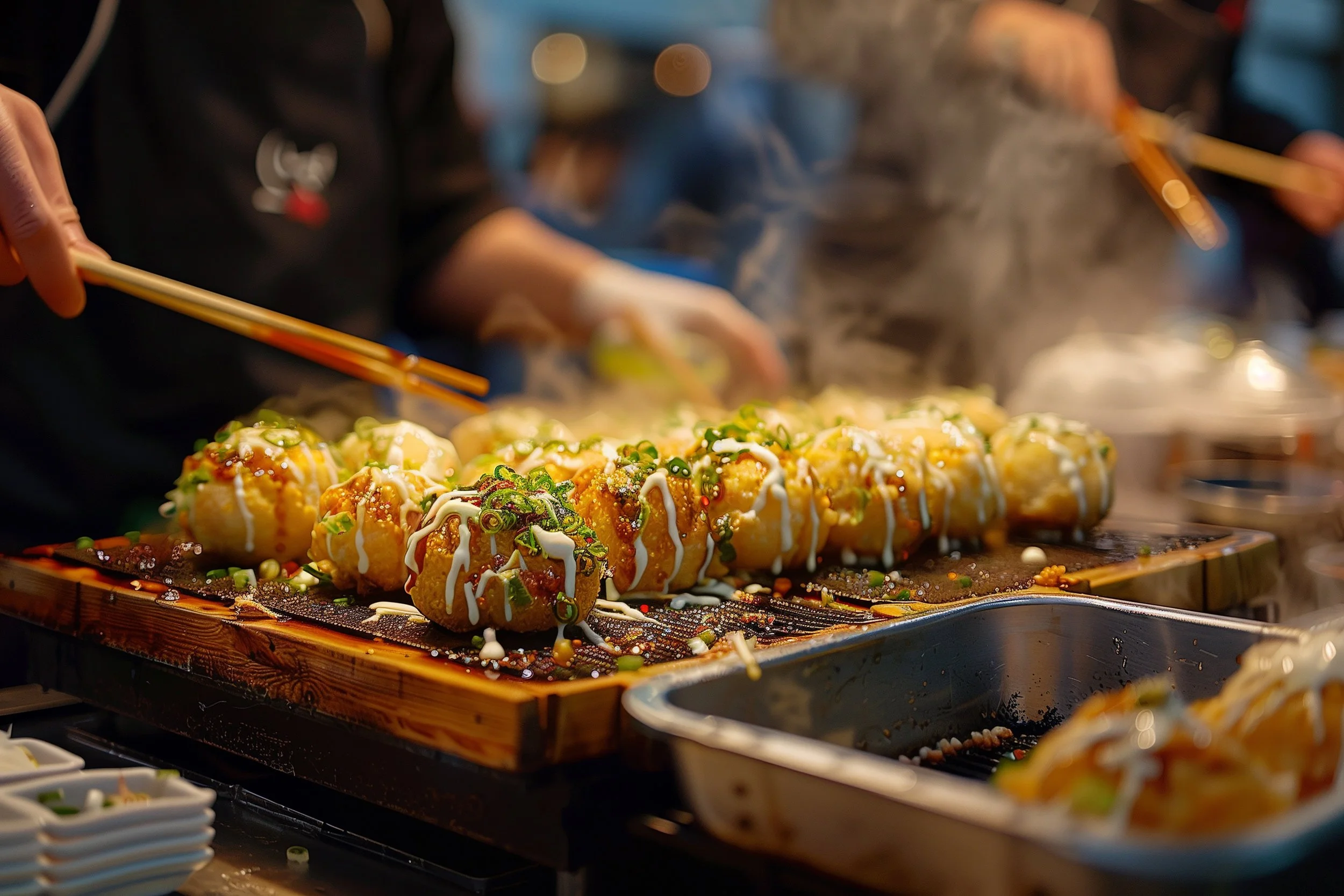
Namba — Best for food, nightlife and atmosphere
The heart of Osaka's street food scene, entertainment district and one of the city's main transport hubs. Dotonbori is walking distance, and the energy in the evening is unlike anywhere else in Japan.
Best for: first-time visitors, food lovers, anyone wanting Osaka's full energy
Shinsaibashi — Best for shopping and central access
Connected to Namba and equally well-located, Shinsaibashi sits along Osaka's main shopping corridor and offers easy access to the rest of the city. A slightly quieter feel than Namba while staying close to everything.
Best for: shopping, convenience, balanced stays
Umeda — Best for transport and day trips
Osaka's main business and transport hub in the north of the city. Less atmospheric than Namba but exceptionally well-connected — ideal if you're using Osaka as a base for day trips to Nara, Kobe or Hiroshima.
Best for: transport connectivity, day trips, business travellers

a.o.mi’s insider note
Most first-time visitors stay in Namba and it's the right call. But don't miss Hozenji Yokocho — a small lantern-lit alley tucked behind the Dotonbori crowds. It's one of those Osaka experiences that feels like a genuine discovery.
Where to Stay in Hakone: Ryokans, Hot Springs and Mt Fuji Views
Hakone is one of the most popular day trips from Tokyo — but staying overnight transforms the experience entirely. A ryokan stay in Hakone with an outdoor onsen, kaiseki dinner and views toward Mt Fuji is one of the most memorable things you can do in Japan. For what a ryokan costs, see our Japan trip cost guide. For the best time to visit Hakone, see our seasonal guide.
Ryokan Stay — The Hakone Experience
A traditional ryokan in Hakone typically includes tatami rooms, yukata robes, multi-course kaiseki dinner and breakfast, and access to private or communal onsen baths — often with outdoor rotenburo that overlook the mountains or gardens. It's a complete experience, not just a place to sleep.
Best for: luxury Japan travel, couples, cultural experiences, first-time ryokan stays

a.o.mi’s insider note
Hakone is the ideal introduction to ryokan stays for first-time visitors. Mt Fuji views from the outdoor onsen are weather-dependent — don't judge the experience by whether Fuji appears. The ryokan itself — the food, the baths, the pace — is the point. I always recommend at least one ryokan night on every Japan itinerary.
Want help choosing the right hotels and ryokans for your trip? — we handpick accommodation for every client.
Types of Accommodation in Japan: What to Know
Luxury hotels — International brands (Park Hyatt, Aman, Four Seasons) and premium Japanese properties. Tokyo and Kyoto have some of the best hotel experiences in the world at this level.
Boutique hotels — Design-led, smaller properties with more personality than chain hotels. Look for properties in converted machiya or with genuine local character.
Ryokan — Traditional Japanese inns with tatami rooms, yukata robes, kaiseki meals and onsen access. Rates typically include dinner and breakfast — see our cost guide.
Business hotels — Affordable, compact and efficient. Toyoko Inn and APA Hotel are reliable chains. Rooms are small by Western standards but immaculately clean.
Apartments and serviced residences — Ideal for families or longer stays. More space, self-catering options and a neighbourhood feel hotels can't replicate.
How to Choose the Right Accommodation in Japan
Key questions to ask when selecting accommodation in Japan: How close is it to the nearest train station? (In Japan, this matters more than almost anywhere else.) What is the room size relative to your expectations — Japanese hotel rooms are typically compact by Western standards. And are you prioritising the accommodation experience itself — a ryokan night — or using it purely as a base?

a.o.mi’s insider note
Use luggage forwarding between cities. For around ¥2,000 per bag, you can send luggage directly from your Tokyo hotel to your Kyoto hotel overnight, and travel on the Shinkansen with just a day pack. Most hotels arrange this at the front desk.
So Where Should You Stay in Japan?
For a first-time Japan trip, this combination works well for most travellers:
Tokyo — Shinjuku for transport convenience, or Shibuya for energy and lifestyle
Kyoto — Gion or Higashiyama for atmosphere, Kawaramachi for convenience
Osaka — Namba for the full Osaka experience
Hakone — a ryokan stay for at least one night — don't skip this
For repeat visitors, the same cities offer completely different experiences in different neighbourhoods — Asakusa in Tokyo, Arashiyama in Kyoto, or a smaller regional destination like Kinosaki Onsen or the Izu Peninsula that most first-timers never reach.
Frequently asked questions
Is it better to stay in Tokyo or Kyoto?
Both are essential on a first trip — most itineraries include 3–4 nights in Tokyo and 2–3 in Kyoto. Tokyo offers modern city life, world-class food and energy. Kyoto offers traditional Japan at its most beautiful. See our full Japan itinerary guide for how to split your time.
How much does a ryokan cost in Japan?
Mid-range ryokans typically cost $300–$600 AUD per person including kaiseki dinner and breakfast. Premium properties run $600–$1,500+ per person. See our full Japan trip cost guide for a complete breakdown.
Which area of Tokyo is best for first-time visitors?
Shinjuku — the transport connections are unmatched and it suits almost every itinerary. Stay near the south or west exit for the best access to trains, airport connections and day trips to Hakone.
Should I stay in Osaka or Kyoto?
Both if your itinerary allows. Kyoto for atmosphere, temples and traditional Japan. Osaka for food, energy and nightlife. If you can only choose one, base yourself in Kyoto and day-trip to Osaka — they're just 15 minutes apart by Shinkansen.
When should I book accommodation in Japan?
As early as possible for cherry blossom (March–April) and autumn foliage (October–November) — popular ryokans and well-located Kyoto hotels sell out months ahead. For off-peak travel, 2–3 months ahead is generally sufficient.
You might also find these useful
→ How much does a trip to Japan cost from Australia?
→ Japan Travel Guide: everything you need to know before you go
→ When is the best time to visit Japan? A season-by-season guide
→ The perfect 14-day Japan itinerary for first-time visitors
plan your personalised japan journey
tell us about your trip and we'll be in touch within 1–2 business days to start designing your itinerary.
start planning my trip