How Much Does a Trip to Japan Cost from Australia? (2026 Budget Breakdown)
⏲ 12 mins read · last updated Sep 2026
A trip to Japan from Australia costs between $3,500 and $14,000+ AUD per person for 14 days, depending almost entirely on two decisions: when you book your flights, and how you sleep. Everything else is a rounding error by comparison.
Japan's reputation for being expensive is one of the most common concerns we hear from Australian travellers planning their first trip, and the reality is more nuanced than the reputation suggests. Japan offers exceptional value at every price point — a ¥900 bowl of ramen is genuinely excellent, and service standards don't drop with the price.
This guide breaks down what a Japan trip actually costs from Australia in 2026 — flights, accommodation, transport, food, activities and shopping — with three realistic tiers, the traps that quietly push a budget past $8,000, and two cost changes landing this October and November that most guides haven't caught up with yet.

Japan trip cost from Australia — at a glance
Japan Trip Cost from Australia: The Three Tiers
For most Australian travellers, a 10–14 day Japan trip falls into one of three ranges. The variable isn't how much you spend once you land — it's your flight booking window and your accommodation standard.
| Travel style | Estimated total per person (AUD) | What's typically included |
|---|---|---|
| Budget | $3,500 – $5,000 | LCC economy flights, business hotels and guesthouses, konbini and ramen counters, individual rail tickets, mostly free sights |
| Mid-range | $5,000 – $7,500 | Economy flights, mid-range hotels, transport, casual to mid dining, core experiences |
| Premium | $8,000 – $14,000+ | Economy or premium flights, boutique hotels and ryokan stays, fine dining, curated experiences |
Per person estimates for a 10–14 day trip. Excludes travel insurance and personal shopping. Based on 2026 pricing.
For a 10-day trip, subtract roughly $700 from the budget tier, $1,300 from mid-range and $3,200 from premium — landing at approximately $3,300, $5,600 and $11,300 respectively. The four nights of accommodation are the bulk of the difference; flights don't change.
Planning a 14-day trip? See our complete 14-day Japan itinerary for a day-by-day route to plan your budget around.
Where Your Money Actually Goes
Flights and accommodation together account for 55–65% of a Japan trip's total cost, regardless of which tier you're in. Everything else — food, transport, activities, shopping — is a controllable variable, and in Japan those variables are unusually forgiving. A $15 bowl of ramen and a $200 omakase are both genuinely excellent; the gap between them is preference, not quality.
This is why the two decisions that actually set your budget happen before you leave: when you book your flights, and what standard of room you sleep in. Cutting your food budget in Japan saves you a few hundred dollars and costs you a meaningful part of the trip. Booking your flights eight weeks earlier can save you the same amount and costs you nothing.
Flights to Japan from Australia: What to Budget
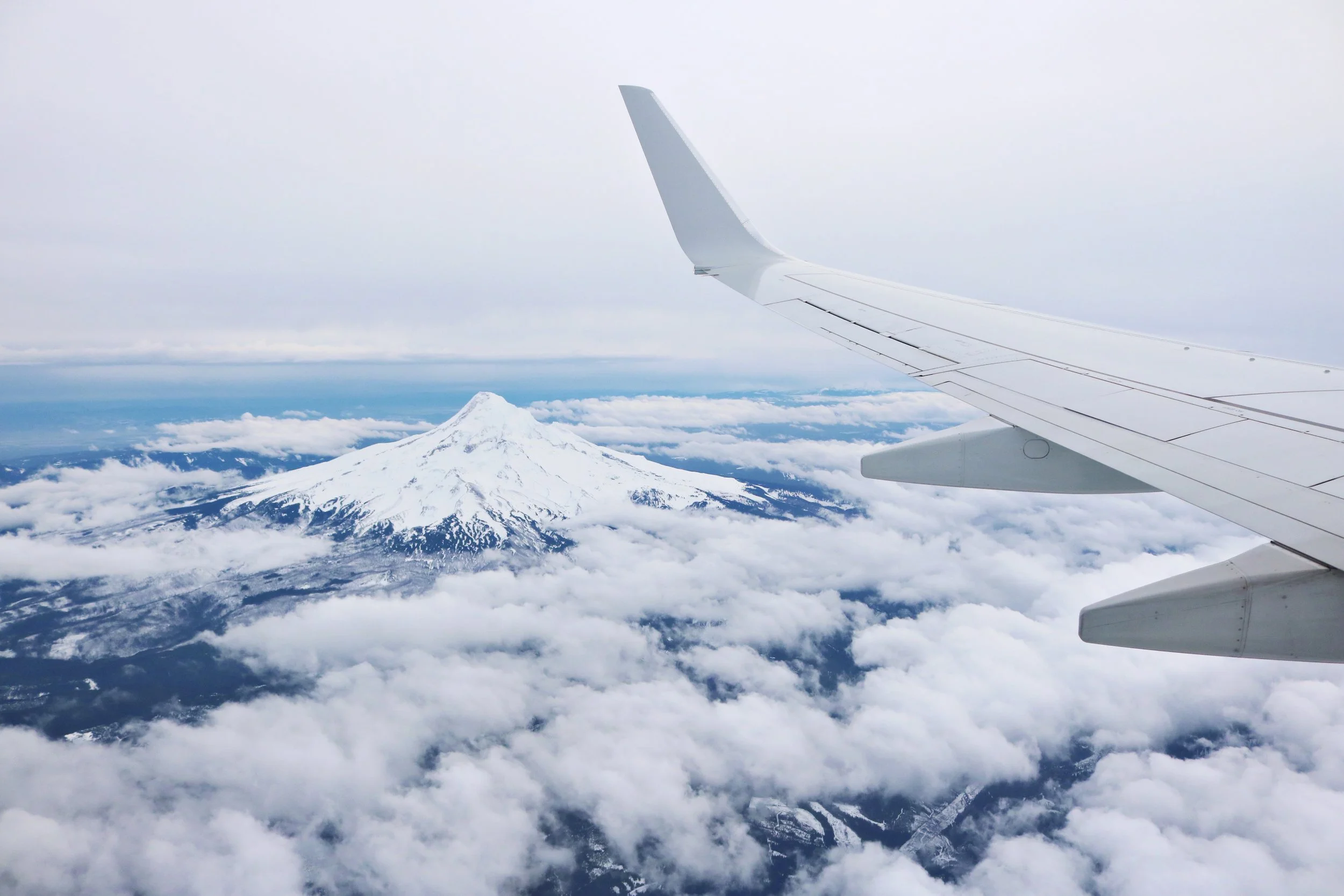
Return flights from Australia to Japan — typically to Tokyo (Narita or Haneda) or Osaka (Kansai) — range from approximately $600 to $1,600 AUD in economy class depending on season, airline and how far in advance you book.
What affects flight price
Cherry blossom season (March–April) and autumn foliage (October–November) are peak periods — flights and accommodation fill quickly and prices reflect demand
Booking 3–6 months in advance generally offers the best economy fares.
Leaving bookings too late is one of the most costly Japan travel mistakes — see the full list of common planning mistakes before you start.
Flying into Osaka and out of Tokyo (or vice versa) can save money and removes the need to backtrack
Airlines serving the Australia–Japan route include Qantas, Japan Airlines, ANA and Jetstar
Off-peak windows for Australian departures are February, early to mid-June, and late October to mid-November — the same routes routinely price $400–$600 lower than peak
Fares from Sydney and Melbourne to Osaka via Jetstar's direct service are often the cheapest single option from the east coast, with an overnight departure as the trade-off
| Flight type | Estimated return fare (AUD) | Notes |
|---|---|---|
| Budget / LCC economy | $600 - $900 | Scoot, Jetstar, AirAsia X. Less flexibility, limited baggage. |
| Full-service economy | $1,100 - $1,600 | Qantas, JAL, ANA, Singapore Airlines. Meals and baggage included. |
| Premium economy | $2,500 - $4,000 | Extra space, better meals. A worthwhile upgrade on a 10+ hour flight. |
| Business class | $4,000 - $7,000+ | Lie-flat seats, premium service. JAL and ANA are exceptional on this route. |
Approximate return prices per adult from major Australian cities. Peak season (March-April, October-November) will be at the higher end. Book 3-6 months ahead for best availability.
a.o.mi’s insider note
If your itinerary covers both Tokyo and Osaka, consider flying into one city and out of the other — an open-jaw ticket. It often costs the same as a return fare, saves you retracing your route, and means you spend travel time moving forward rather than back. We always factor this into itinerary planning for multi-city Japan trips.
Accommodation Costs in Japan: What to Expect Per Night
Accommodation has the biggest single impact on your Japan travel budget. For a full breakdown of the best areas to stay in each city, see our guide to where to stay in Japan. Note that cherry blossom and autumn foliage seasons command significantly higher prices — book early.
| Accommodation type | Per night (AUD) | Notes |
|---|---|---|
| Business hotels | $130 - $280 per room | Compact, immaculately clean, excellent value. Toyoko Inn, APA Hotel. |
| Mid-range hotels | $280 - $550 per room | Well-located, comfortable. Most popular choice for Australian travellers. |
| Boutique hotels | $450 - $900 per room | Design-led, character-rich. Often better value than international chains at this level. |
| Luxury hotels | $700 - $2,000+ per room | Park Hyatt, Aman, Four Seasons and premium Japanese properties. |
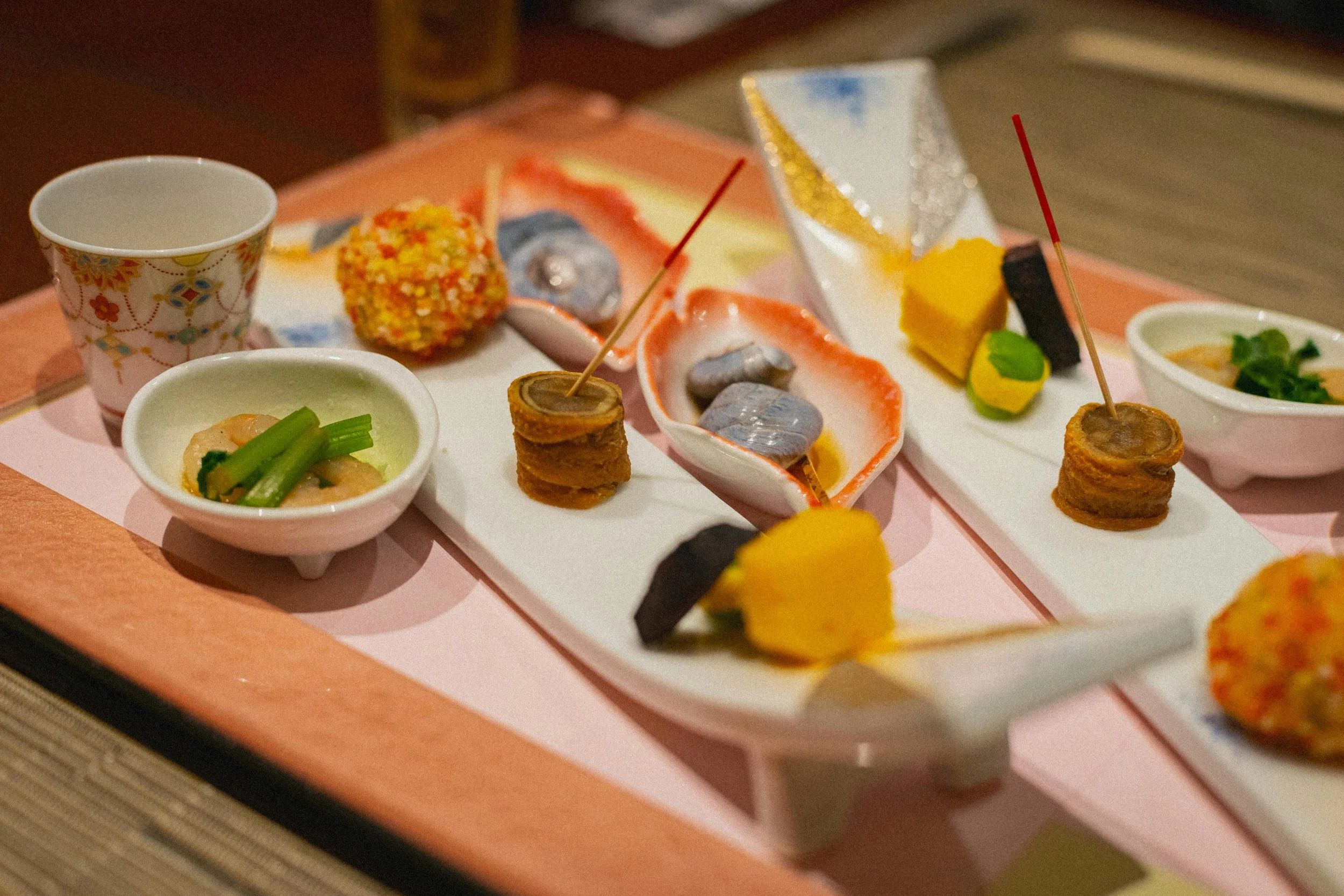
| Ryokan - mid-range | $300 - $600 per person | Includes kaiseki dinner and breakfast. Traditional rooms, shared or private onsen. |
| Ryokan - premium | $600 - $1,500+ per person | Private onsen, elevated kaiseki dining, exceptional service. Budget for at least one night. |
Ryokan rates are per person and include dinner and breakfast - factor this into your overall food budget. Prices are higher in Tokyo, Kyoto and Hakone and during peak spring and autumn seasons.
Kyoto adds a per-night lodging tax (¥200 - ¥10,000 depending on room rate, live since March 2026) on top of these figures - see our where to stay in Japan guide for the full breakdown.
Book Kyoto first, then work outward. Kyoto has materially less hotel inventory than Tokyo or Osaka and it sells out earliest — on cherry blossom dates, well-located mid-range rooms are frequently gone by early January. If you book Tokyo and Osaka first and leave Kyoto until last, you're choosing from whatever's left at whatever it costs. Reverse the order and the constraint stops setting your budget. As a rule, book Kyoto 3–4 months ahead for shoulder season and 5–6 months for peak.
A mid-range ryokan costs $300–$600 AUD per person including kaiseki dinner and breakfast; premium properties with private onsen run $600–$1,500+ per person.
a.o.mi’s insider note
Ryokan rates look high until you factor in what's included — a multi-course kaiseki dinner and traditional breakfast alone would cost $150–$300 AUD per person at a restaurant. When you account for meals, a mid-range ryokan at $600 per room is genuinely competitive with a standard hotel plus restaurant dining. Budget for at least one night.
Getting Around Japan: Transport Costs
Japan's transport system is efficient, reliable and — once you understand it — relatively cost-effective for the distances covered.
| Transport | Estimated cost (AUD) | Notes |
|---|---|---|
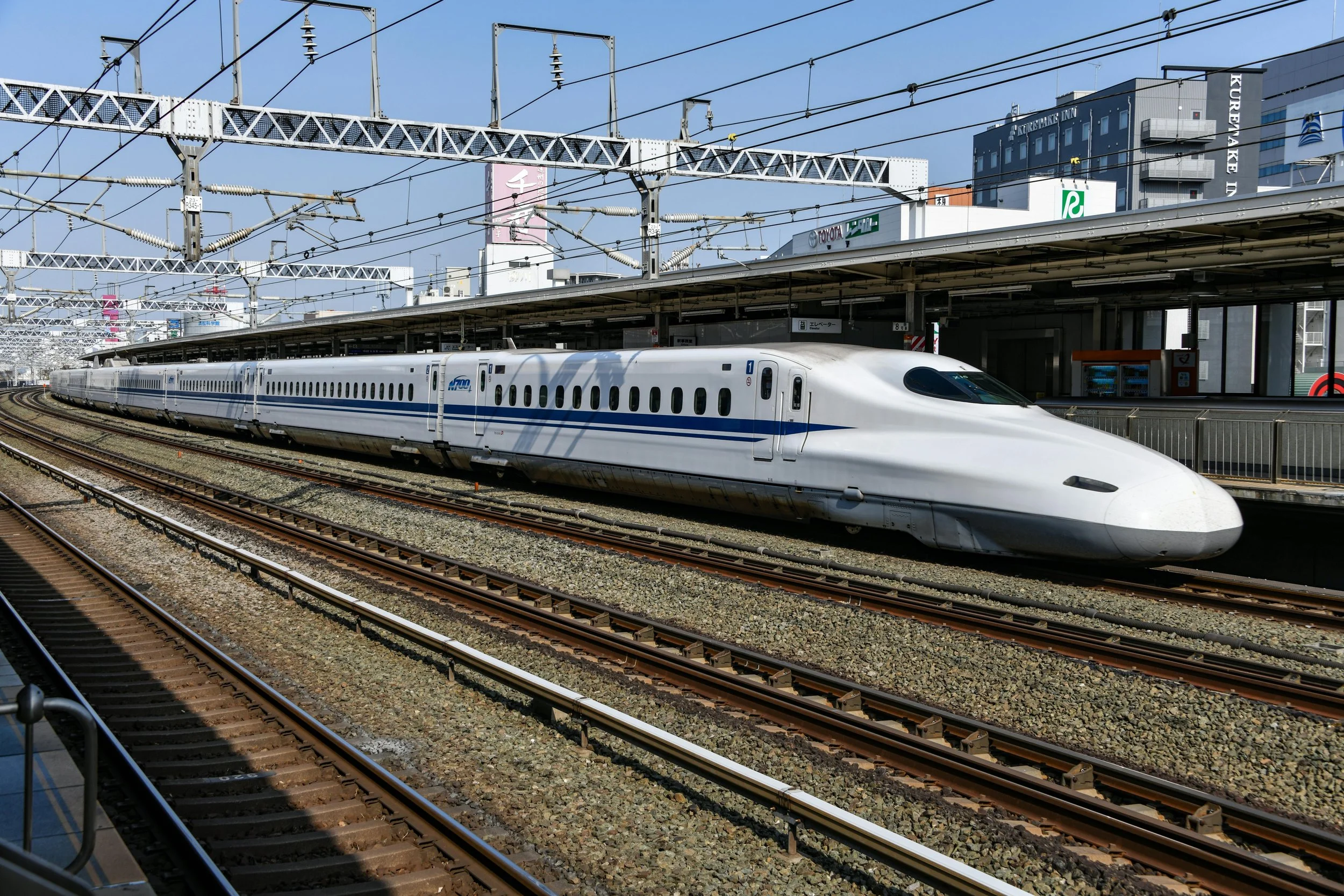
| Tokyo to Kyoto (Shinkansen, one way) | ~$160 | Hikari service approx 2h 40min. Nozomi is faster but not covered by standard JR Pass. |
| Kyoto to Osaka (Shinkansen, one way) | ~$20 | 15 minutes. The regular Kintetsu train is often just as convenient. |
| Tokyo to Hiroshima (Shinkansen, one way) | ~$250 | Approx 4 hours on Hikari. Adds significant value to a JR Pass if on your itinerary. |
| Local IC card (Suica / Pasmo) per day | $5 – $15 | Used for local trains, buses and convenience stores. Get one on arrival. |
| JR Pass – 7 day ordinary | ~$520 (¥50,000) | Worth it only if your route includes 3+ major intercity journeys — we calculate this against your route. |
| JR Pass – 14 day ordinary | ~$830 (¥80,000) | Better value for multi-city itineraries covering Tokyo, Kyoto, Osaka, Hiroshima and beyond. |
| Narita Express (airport to Tokyo, one way) | ~$35 | Covered by JR Pass. Flying into Haneda is often more convenient for central Tokyo. |
| Luggage forwarding (takuhaibin) per bag | ~$15 – $20 | Send bags between hotels overnight. Transforms Shinkansen travel — highly recommended. |
Pass prices are fixed in yen; AUD equivalents move with the exchange rate.
💡 why the JR Pass maths changes again on 1 October 2026 — and why the booking channel matters
From 1 October 2026, JR Pass prices rise for purchases made through overseas travel agencies — the 7-day ordinary pass moves from ¥50,000 to ¥53,000, the 14-day from ¥80,000 to ¥84,000, and the 21-day from ¥100,000 to ¥105,000. The official JR Pass website is holding current pricing for a limited period, with no confirmed end date — so which channel a pass is booked through can now genuinely change the price.
This is exactly the kind of detail that's easy to miss booking Japan travel yourself — the gap between ¥50,000 and ¥53,000 per person adds up quickly across a family or group. When we arrange your JR Pass as part of your itinerary, we factor in current pricing and timing so you're not paying more than you need to. And if you're on a standard Tokyo–Kyoto–Osaka loop without a Hiroshima or Kyushu leg, the pass usually isn't the right call at all regardless of price — we run the actual numbers against your route before recommending it.
Food Costs in Japan: From Ramen to Omakase
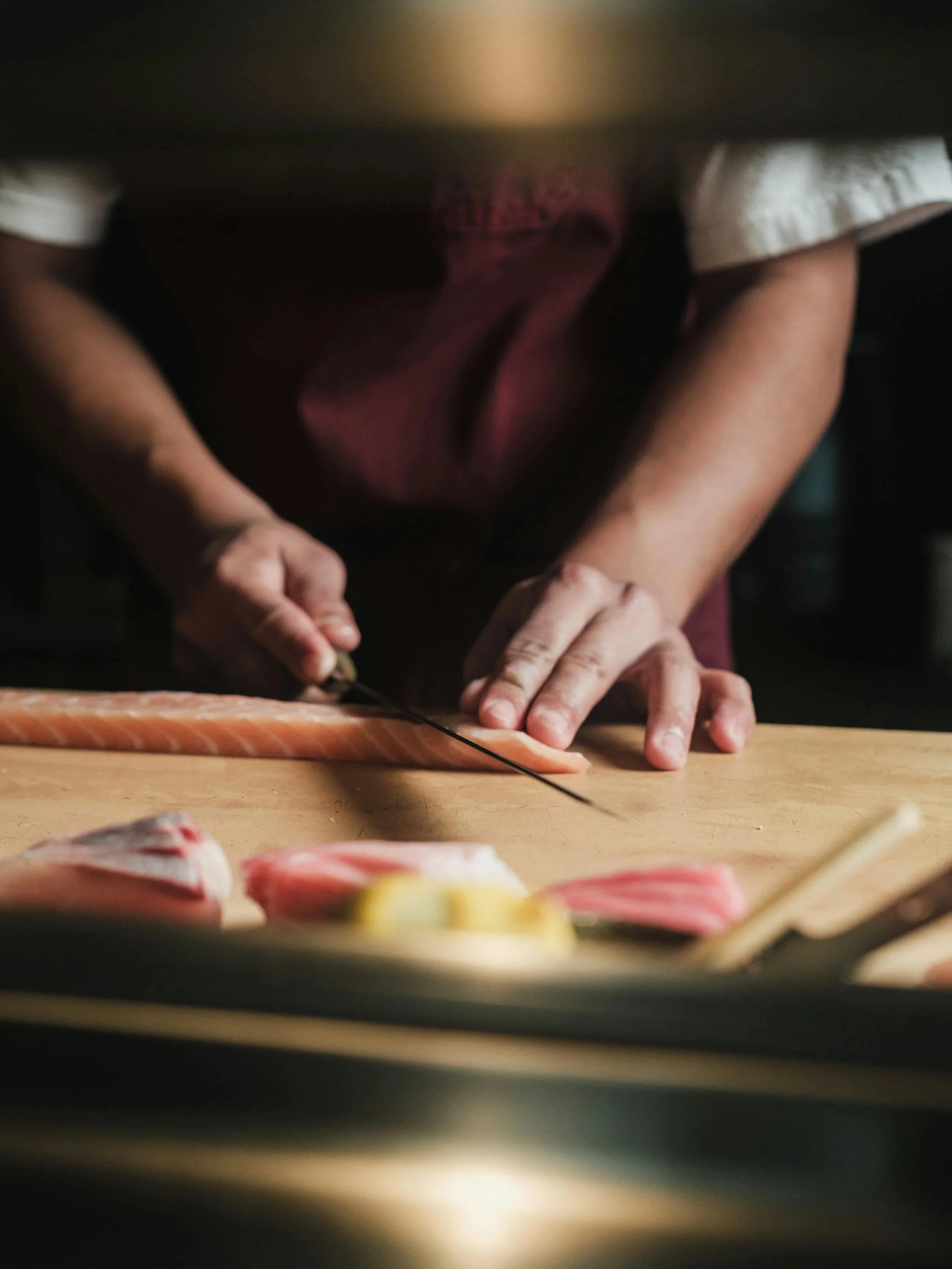
Japan is one of the world's great food destinations — and uniquely, it delivers extraordinary quality at every price point. A ¥800 bowl of ramen can be as memorable as a $300 omakase. Budgeting for food in Japan is less about managing costs and more about deciding how you want to eat.
Budget travellers can eat genuinely well in Japan for under $60 AUD a day, which is no longer true in most Asian capitals.
| Dining style | Per day (AUD) | Examples |
|---|---|---|
| Casual / local | $30 - $60 | Ramen, sushi conveyor, convenience store, standing lunch bars |
| Mid-range | $80 - $150 | Izakaya dinners, sit-down restaurants, hotel breakfast included |
| Premium | $200+ | Omakase sushi, kaiseki dining, Michelin-starred restaurants |
Most Australian travellers land somewhere between casual and mid-range day-to-day, with one or two premium dining experiences built in as highlights.
a.o.mi’s insider note
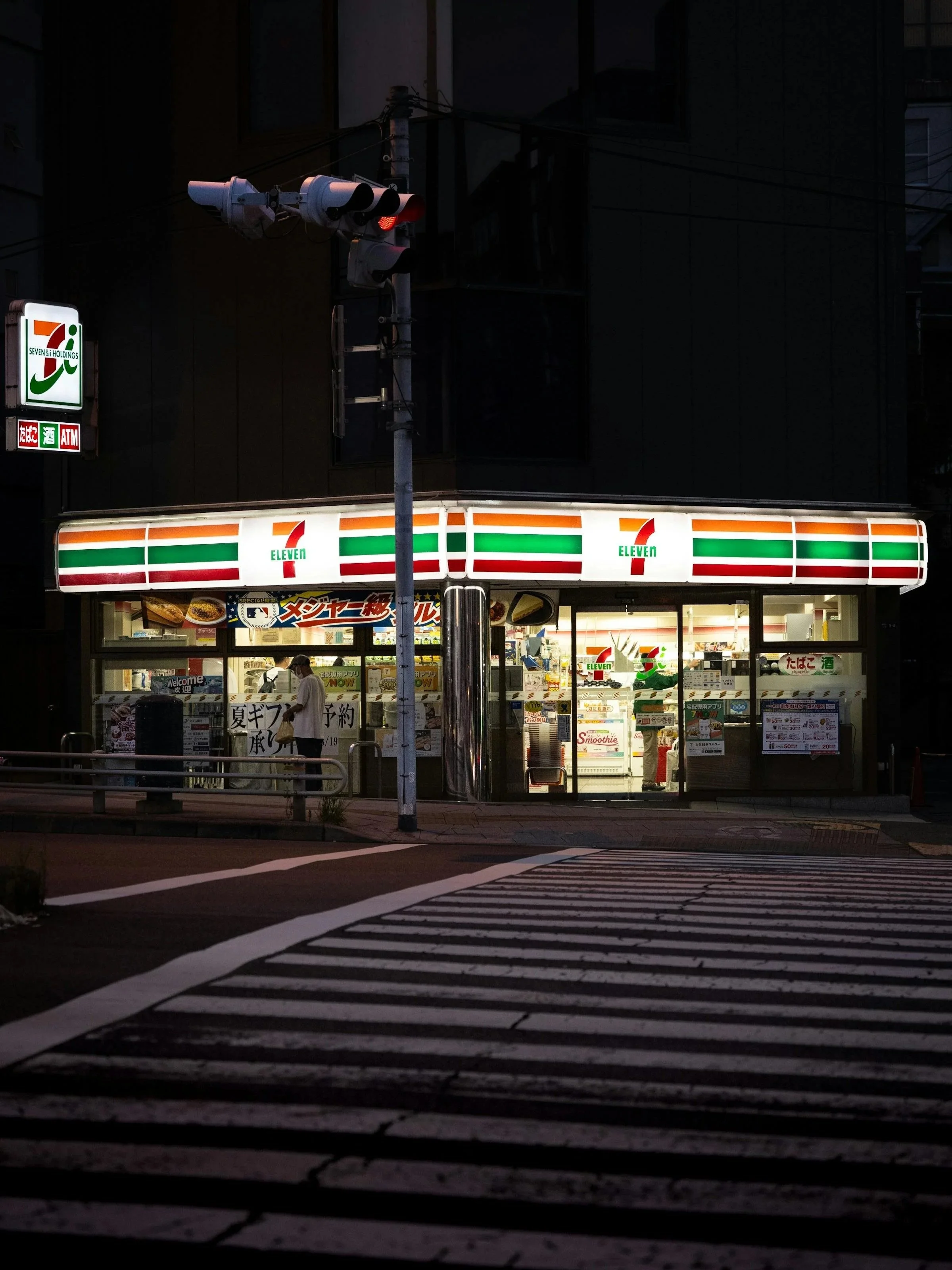
Don't overlook convenience stores for breakfast and lunch — 7-Eleven, FamilyMart and Lawson in Japan are genuinely good. Save your food budget for a special omakase dinner or a kaiseki meal at your ryokan — that's where the money makes a real difference.
Activities and Experiences: What to Budget
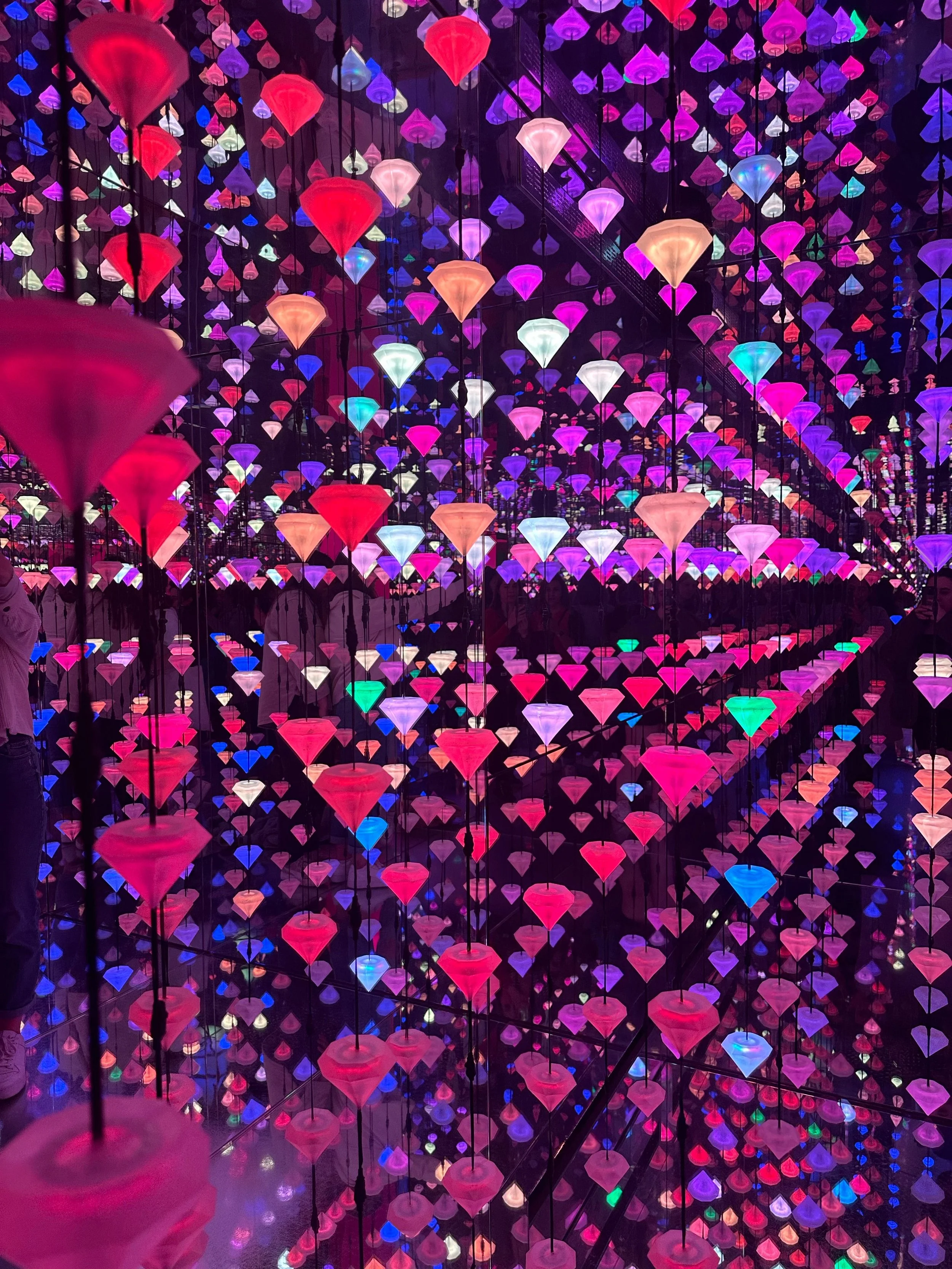
teamLab and the Ghibli Museum both sell out weeks ahead and cannot be bought at the gate — Ghibli in particular releases tickets on a fixed monthly schedule and sells out within hours. These need to be booked before you fly, not once you arrive.
| Experience | Estimated cost (AUD) |
|---|---|
| Temples and shrines (most are free or low cost) | Free - $10 |
| Tea ceremony or cultural workshop | $30 - $150 |
| Cooking class or sake tasting | $80 - $150 |
| teamLab Planets or teamLab Borderless (Tokyo) | $40 - $70 |
| Ghibli Museum (Mitaka) | $15 - $25 |
| Universal Studios Japan (Osaka) | ~$90 - $120 |
| Tokyo Disneyland or DisneySea | $110 - $160 |
| Day trip to Nara, Nikko or Kamakura (transport only) | $20 - $50 |
| Mt Fuji climbing fee (5th station and above — mandatory as of 2026) | ~$35 (¥4,000 fixed fee) |
| Sumo tournament ticket | $30 - $200+ |
a.o.mi’s insider note
Some of the best experiences in Japan cost almost nothing — walking Fushimi Inari at dawn, watching the sunrise from a Kyoto temple garden, exploring a covered shopping arcade in Osaka. Don't over-schedule paid activities. Japan rewards wandering.
Shopping in Japan: Budget Accordingly
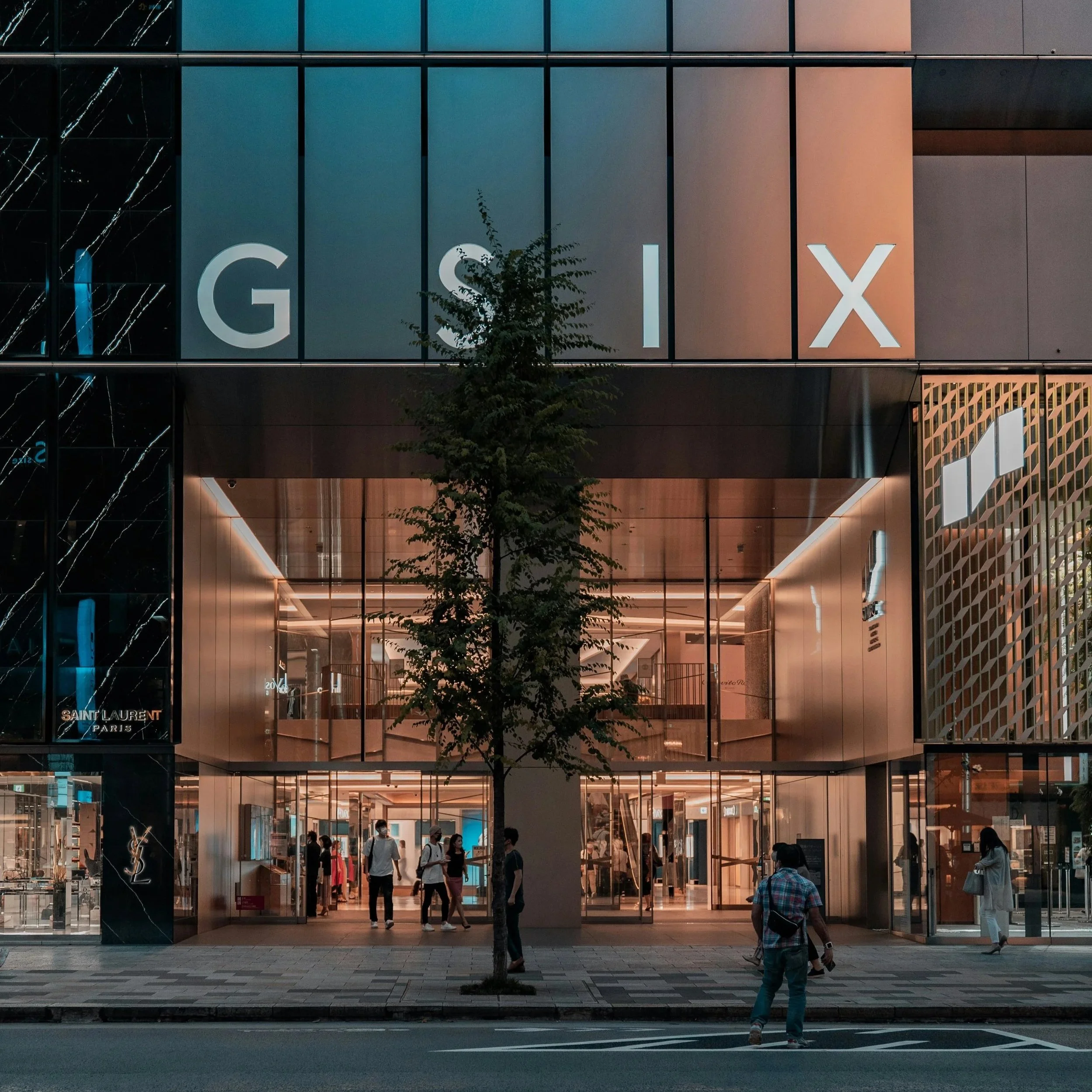
Shopping in Japan is genuinely dangerous to a travel budget — in the best possible way. From designer fashion in Ginza to handmade ceramics, stationery, skincare, whisky and kitchen knives, Japan offers things you can't find anywhere else. Budget an additional $300–$1,500+ AUD depending on self-control.
a.o.mi’s insider note
Japan still operates significantly in cash. Carry yen — particularly when shopping at smaller stores, markets and regional destinations. ATMs at 7-Eleven and Japan Post are the most reliable for foreign cards.
💡 Why your Japan shopping budget needs more cash from November 2026
Until 31 October 2026, tax-free shops deduct the 10% consumption tax at the register when you show your passport. From 1 November 2026 the system changes to a refund method: you pay the full tax-inclusive price at purchase, and the tax is refunded only after Customs confirms the goods left Japan within 90 days. There's no overlap period — buy on 31 October and you're on the old rules, buy on 1 November and you're on the new ones.
The sealed-packaging requirement, the ¥500,000 daily cap and the consumable/non-consumable split all disappear, and the ¥5,000 minimum spend per store per day stays. For an Australian traveller planning $1,500 of shopping, that's roughly $150 of your budget tied up until you fly home rather than saved at the counter — a cash flow difference, not a cost increase. If you're travelling in November or later: budget the full tax-inclusive amount, keep purchases accessible rather than buried in checked luggage, and add a genuine buffer to your final airport morning.
How Much to Budget Per Day in Japan
One of the most common questions we get from Australian travellers is what to budget per day once they're on the ground. Here's a simple daily spend guide, excluding international flights and intercity Shinkansen:
| Travel style | Estimated daily spend (AUD) | Covers |
|---|---|---|
| Budget | $80 - $120 | Business hotel, convenience store meals, free sights |
| Mid-range | $150 - $250 | Mid-range hotel, mix of casual and restaurant dining, paid experiences |
| Premium | $300 - $500+ | Boutique hotel, restaurant dining, curated experiences |
Excludes international flights and intercity Shinkansen. Based on 2026 pricing in AUD.
Sample Japan Trip Cost Breakdown: 14 Days from Australia
Based on a 14-day itinerary covering Tokyo, Kyoto, Osaka and Hakone — the classic first-time Japan itinerary. For a couple, accommodation costs stay the same — simply double the per-person estimates for flights, food and activities.
| Cost item | Budget (AUD) | Mid-range (AUD) | Premium (AUD) |
|---|---|---|---|
| Return flights (economy) | $750 | $1,200 | $1,400 |
| Accommodation (13 nights) | $1,400 | $2,800 | $7,000 |
| Intercity transport + JR Pass | $450 | $650 | $800 |
| Food and dining | $700 | $1,200 | $2,800 |
| Activities and experiences | $280 | $400 | $900 |
| Shopping and miscellaneous | $200 | $400 | $1,200 |
| Tourist taxes and entry fees | $60 | $80 | $150 |
| Estimated total per person | ~$3,840 | ~$6,730 | ~$14,250 |
Per person estimates. Based on 14 days covering Tokyo, Kyoto, Osaka and Hakone. Premium includes one ryokan stay with meals, one omakase dinner and boutique or luxury hotels throughout. Excludes international travel insurance. All prices in AUD, based on 2026 rates.
The gap between a well-planned Japan trip and a poorly planned one at the same budget is around $3,000 — and almost all of it is decided before you fly. Start planning your Japan journey.
When These Numbers Don't Apply
These ranges assume a standard Tokyo–Kyoto–Osaka–Hakone itinerary in a normal season. Five situations break them:
Cherry blossom (late March to mid-April) and autumn foliage (mid-November). Add 30–50% across flights and Kyoto accommodation, and book four to six months ahead. See our best time to visit Japan guide for the month-by-month picture.
Obon (mid-August) and Japanese New Year (late December to early January). Domestic transport is the constraint rather than price — Shinkansen reserved seats and domestic flights fill weeks ahead because the whole country is travelling at once.
Ski trips (Niseko, Hakuba, Nozawa). Add $800–$2,400 per person for lift passes, gear hire and Niseko-priced accommodation. The base ranges in this guide don't apply at all.
Tokyo Disney or Universal Studios trips. Add $250–$550 per person for park tickets plus the hotel premium that comes with staying near either park.
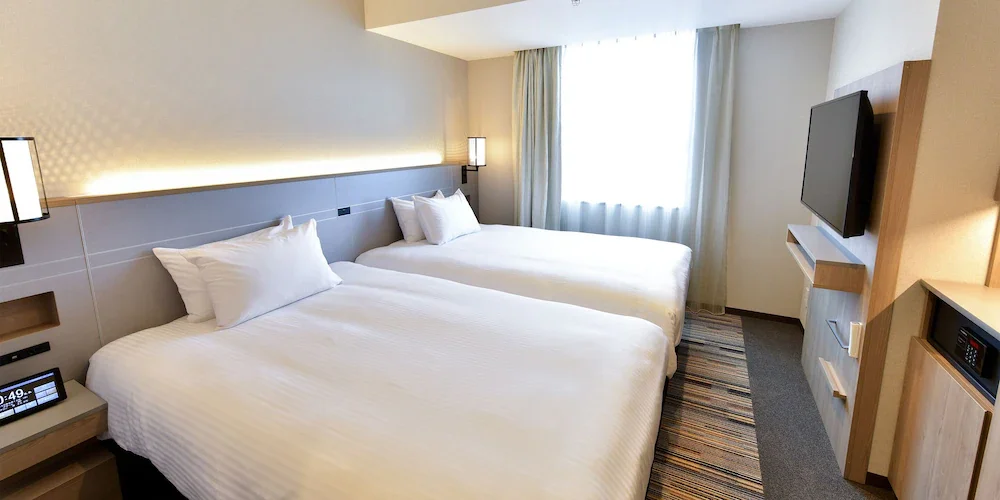
Families of four or more. This one catches Australians out consistently. Japanese hotel rooms are small and configured as twins — a family of four is usually two rooms, not one family suite. Budget an extra $800–$1,600 across a 14-day trip versus what you'd pay for a single larger room in Australia or Europe. It's worth checking room configuration rather than just occupancy limits when you book.
Save Smart - Ways to Reduce Your Japan Travel Costs
Travel in shoulder season — May, June or September offer significantly better accommodation rates and availability than peak spring and autumn
Book accommodation early — popular ryokans and well-located hotels in Kyoto and Hakone sell out months ahead, and early bookings often offer better rates
Use luggage forwarding (takuhaibin) between cities — around $15 AUD per bag, it eliminates the need for taxis and makes Shinkansen travel effortless
Mix dining levels — convenience store breakfasts and lunch, mid-range izakaya dinners, with one or two premium experiences as highlights
Walk more — Japan's cities are extraordinarily walkable and some of the best experiences are free
Worth Splurging On - Where to Spend More in Japan
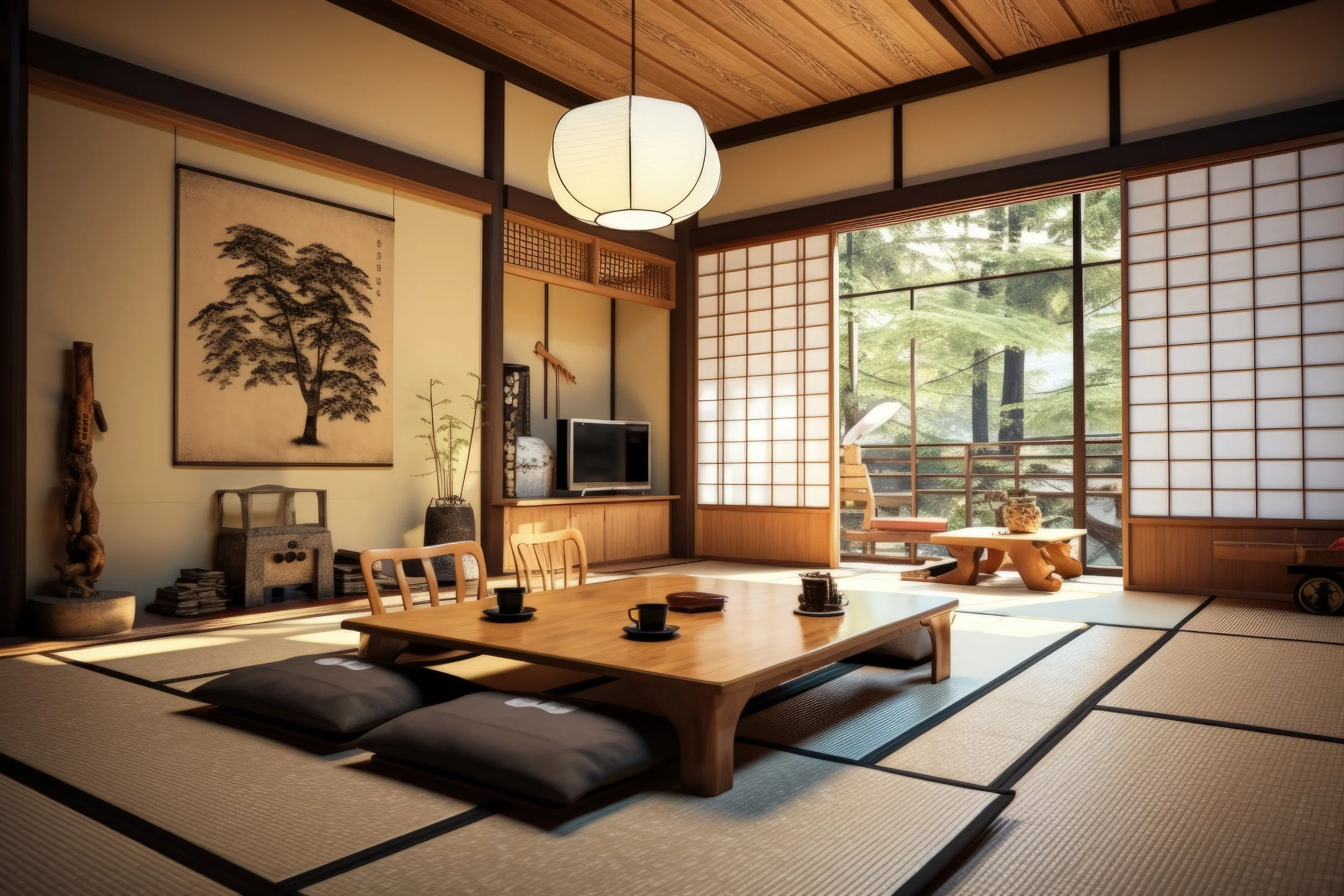
A ryokan stay — at least one night, with kaiseki dinner and onsen access. Hakone, Kinosaki or Kyoto. The experience justifies the cost entirely.
One premium dining experience — omakase sushi or a kaiseki restaurant. Book months in advance for the best options.
A well-located hotel — in Japan, proximity to transport saves hours and stress across a 14-day trip. It's worth paying more for location.
Curated experiences — a private tea ceremony, a sake tasting with a master, a cooking class in Kyoto. These are the memories that outlast everything else.
a.o.mi’s insider note
The single best investment on any Japan trip is a well-chosen ryokan for one or two nights. Not necessarily the most expensive one — but the right one for your style and itinerary. A good ryokan doesn't just give you a place to sleep — it gives you an entire evening and morning of Japanese hospitality at its finest. It's the part of the trip almost every client mentions first when they come home.
So Is Japan Expensive? The Honest Answer
Japan can be as affordable or as premium as you choose — and it delivers exceptional value at both ends. Compared to European destinations at a similar travel level, Japan consistently offers better food, safer cities, more efficient transport and a standard of service that is simply unmatched. The reputation for being expensive comes partly from the cost of flights from Australia — but with the right planning, most travellers find their Japan trip cost is well within what they expected.
Plan a Japan Trip That Uses Your Budget Well
Understanding your Japan travel budget is one thing — designing a trip that uses it well is another. The difference is in the details: the right accommodation in the right neighbourhood, the ryokan night that justifies every dollar, the JR Pass decision made on your actual route rather than a guess, and the dining balance that gives you both the local experience and the memorable splurge.
At a.o.mi collective, we design personalised Japan itineraries for Australian travellers that are built around your budget, travel style and the experiences that matter most to you — so every dollar is working as hard as it can.
Frequently asked questions
How much does a trip to Japan cost from Australia?
A 14-day trip to Japan from Australia costs $3,500–$5,000 AUD per person at a budget level, $5,000–$7,500 mid-range, and $8,000–$14,000+ for premium travel, including return flights. Flights and accommodation together make up 55–65% of the total regardless of tier, which is why booking window and hotel standard set your budget far more than daily spending does.
How much does a 10-day trip to Japan cost from Australia?
A 10-day Japan trip from Australia costs approximately $3,300 per person at a budget level, $5,600 mid-range and $11,300 premium, including return flights. The difference from a 14-day trip is almost entirely accommodation and daily spend — flights cost the same either way, which is part of why a longer trip often delivers better value per day.
Is the JR Pass worth it in 2026?
The JR Pass is usually worth it for multi-city routes with three or more long-distance Shinkansen legs, and usually isn't for trips concentrated in one or two cities. At ¥50,000 for the 7-day ordinary pass, a single Tokyo–Kyoto round trip costs less than the pass on its own. For the classic Tokyo–Kyoto–Osaka–Hiroshima loop over 14 days the 14-day pass often still pays for itself. Prices are rising for some booking channels from 1 October 2026 — the timing and channel used to book genuinely matters, which is something we factor in whenever we arrange a pass as part of a client's itinerary.
How much spending money do I need per day in Japan?
Budget $150–$250 AUD per day for mid-range travel, excluding accommodation and intercity transport. This covers local transport, casual to mid-range dining and a paid experience or two. Budget travellers manage comfortably on $80–$120 per day; premium travel runs $300–$500+.
What is the cheapest time to visit Japan from Australia?
February and early June are the cheapest times to fly to Japan from Australia, with lower fares, lower accommodation rates and fewer crowds. Late October through early November also runs cheap before the foliage peak. Avoid mid-March to mid-April, mid-July through August, and late December. See our best time to visit Japan guide for a month-by-month breakdown.
How much does a trip to Japan cost for 2 people?
A mid-range 14-day Japan trip for two people costs approximately $11,000–$14,000 AUD in total, including flights. It isn't simply double a solo trip because most accommodation is priced per room rather than per person — only flights, food and activities double. A premium 14-day trip for two typically starts around $22,000 AUD.
You might also find these useful
→ Japan Travel Guide: everything you need to know before you go
→ When is the best time to visit Japan? A season-by-season guide
→ Where to stay in Japan: best areas and accommodation for every travel style
→ 10 common Japan travel mistakes to avoid
→ The perfect 14-day Japan itinerary for first-time visitors
plan your personalised japan journey
tell us about your trip and we'll be in touch within 1–2 business days to start designing your itinerary.
start planning my trip