10 Common Japan Travel Mistakes to Avoid (And What to Do Instead)
⏲ 8 mins read · last updated June 2026
Japan is one of the easiest countries in the world to travel through — but it's also one where small planning mistakes can significantly impact your experience. From overpacked itineraries to JR Pass miscalculations, these are the most common Japan travel mistakes we see Australian travellers make — and exactly how to avoid them.
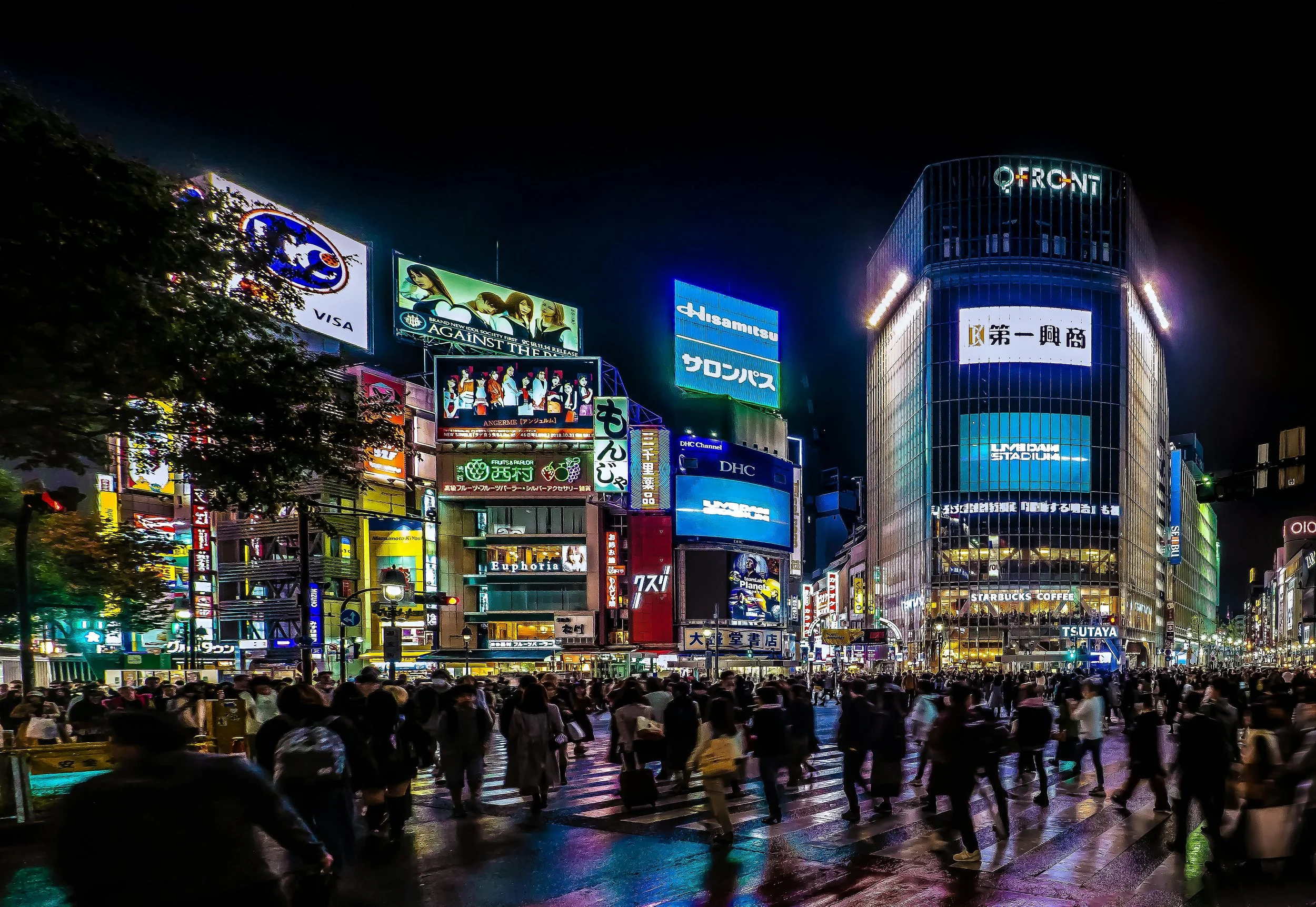
The 10 mistakes at a glance
01 Trying to See Too Much in Too Little Time
One of the most common mistakes first-time travellers make is trying to cover too many cities in too few days. Japan looks compact on a map — but constantly moving between hotels and cities is exhausting, especially when balancing train schedules, luggage and busy stations. A well-structured Japan itinerary focuses on fewer destinations, allowing you to experience each place properly rather than just pass through it.
For most first-time trips, a route covering Tokyo, Kyoto and Osaka over 10–14 days is the right balance. See our full Japan travel guide for a recommended first-time itinerary.
a.o.mi's insider note
The most common regret I hear from Japan travellers is "I wish I'd spent more time in Kyoto" or "I moved too fast." Build in at least one slow day per destination — a morning with no plan.
02 Visiting During Peak Season Without Planning Ahead
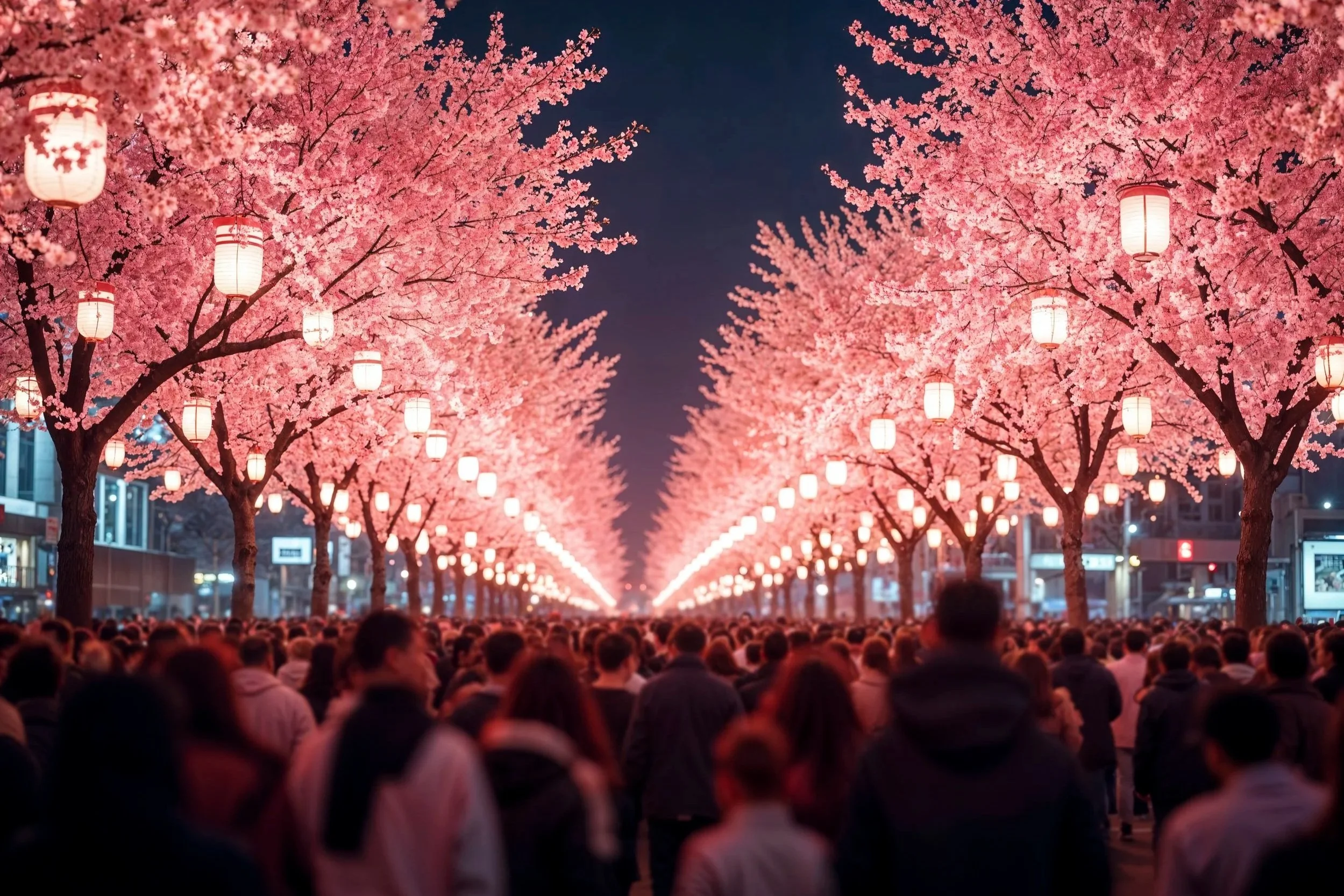
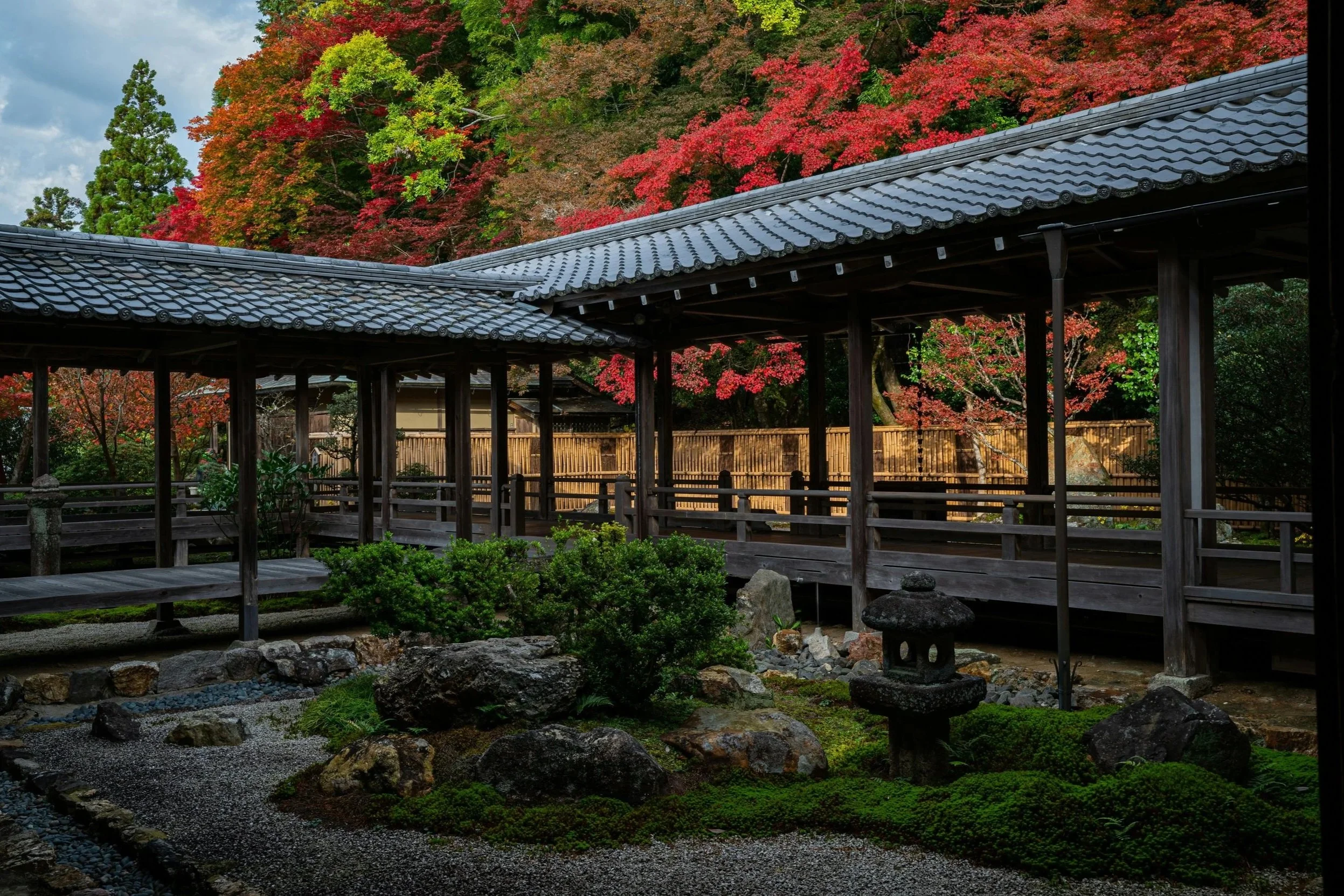
Cherry blossom season and autumn foliage are extraordinary — but they're also Japan's busiest travel periods. Hotels, ryokans, popular restaurants and even train seats on certain routes book out months in advance. Visiting during peak season without planning ahead means arriving to sold-out accommodation and missed experiences.
If you're set on cherry blossom or autumn foliage season. start planning at least 4–6 months ahead. If you prefer fewer crowds, see our guide to the best time to visit Japan — May and January are significantly underrated.
03 Staying in the Wrong Neighbourhood
Choosing the wrong area to stay in Tokyo or Kyoto can add hours of unnecessary transit time across your trip. In Tokyo especially, staying near a major transport hub makes an enormous difference to how effortlessly your days flow. See our full guide to where to stay in Japan for city-by-city neighbourhood recommendations based on travel style and itinerary.
a.o.mi's insider note
Shinjuku Station has over 200 exits and is genuinely confusing even for residents — "staying in Shinjuku" can mean a 3-minute walk or a 20-minute one depending on which exit your hotel is near. Check the exit number before booking, not just the station name. East side puts you near Kabukicho's nightlife and department stores; west side is the quieter business district, better for an early night. In Kyoto, Gion and Higashiyama put you within walking distance of the city's best experiences, but Gion in particular has grown more restricted in recent years — some of its private streets now ban photography due to overtourism, and it's priced accordingly. Worth knowing before you commit to staying there for the atmosphere alone.
04 Buying a JR Pass Without Calculating It First
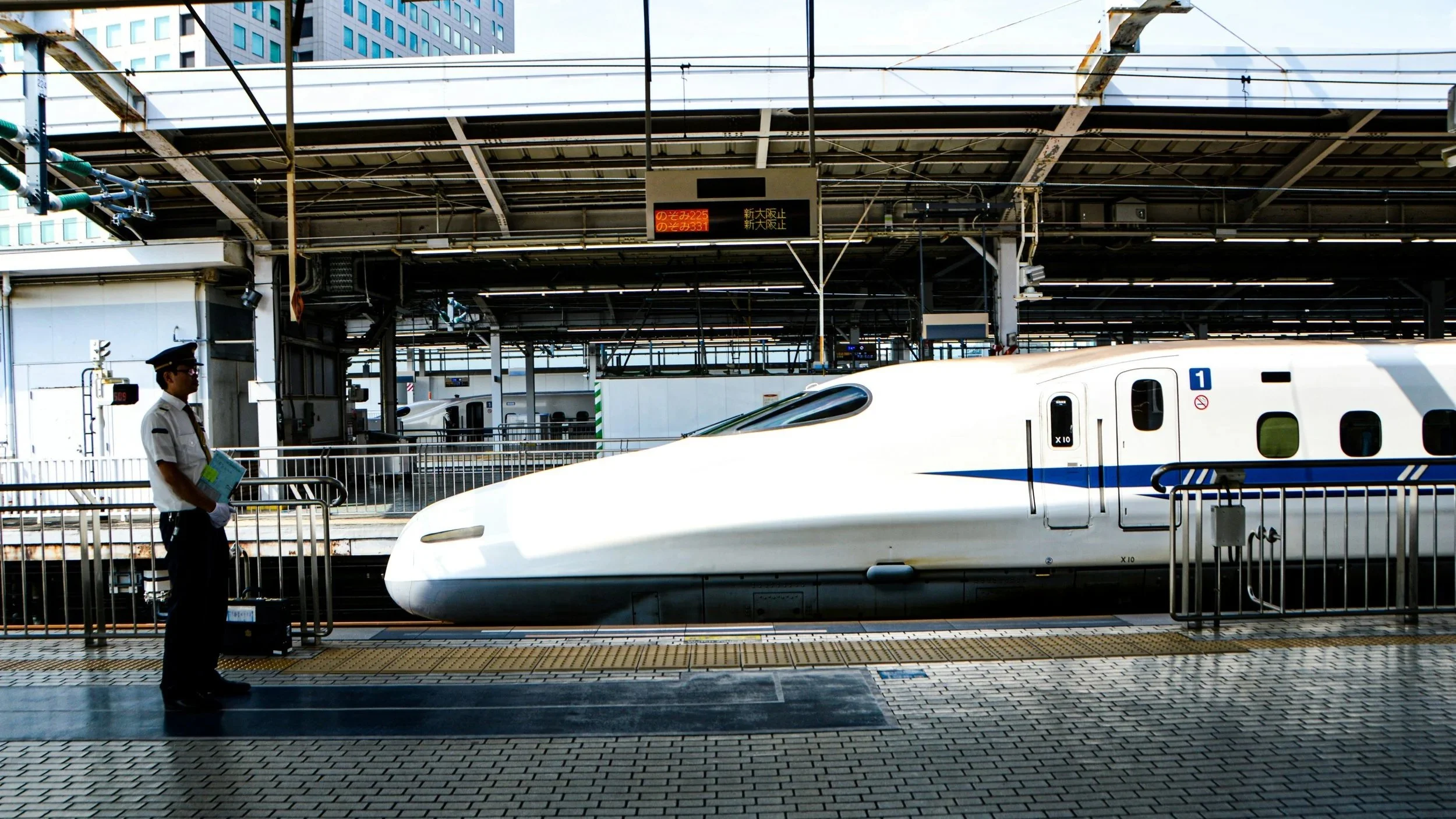
The JR Pass used to be an automatic recommendation — but following a significant price increase, it's no longer always worth it. Many travellers now spend more on the pass than individual Shinkansen tickets would cost. Before purchasing, map your exact train routes and compare the individual fares. For a full breakdown of JR Pass costs vs individual tickets see our Japan trip cost guide.
a.o.mi's insider note
For the classic Tokyo–Kyoto–Osaka–Hiroshima loop over 14 days, the JR Pass often still pays for itself. For a 10-day trip staying mostly in Tokyo and Kyoto, it probably doesn't. We calculate this for every client before they book — it's one of the most common planning mistakes we help people avoid.
One detail most travellers miss: a long-distance ticket lets you exit the gates partway through your journey and continue later on the same ticket — it isn't forfeited the moment you leave the platform. Useful if your route naturally breaks into stages rather than running straight through. Rules vary by ticket type, so check your ticket conditions and the JR website for the latest terms before relying on this.
Not sure whether your itinerary justifies a JR Pass? we calculate this for every client — start planning here.
05 Overpacking Luggage
Japan's train stations involve stairs, transfers and crowded platforms. Large suitcases quickly become a burden — especially on the Shinkansen and in narrow ryokan corridors. The solution is luggage forwarding (takuhaibin) — for around $15–20 AUD per bag you can send luggage directly from your hotel to your next destination overnight, and travel freely with just a day pack. See our Japan trip cost guide for the full breakdown.

a.o.mi's insider note
Luggage forwarding is the single most underused Japan travel hack. Most hotels arrange it at the front desk for around ¥2,000 per bag. Packing light plus luggage forwarding transforms multi-city travel — it's one of the first things I tell every client.
06 Underestimating How Much Walking Is Involved
Japan involves far more walking than most travellers expect. Even efficient train journeys include station transfers, stairs and long underground passages. Tokyo's busiest stations can involve 10–15 minutes of walking just to change lines. Comfortable, well-worn shoes are non-negotiable — this is not the trip for new footwear. Most visitors are surprised to find they're walking 15,000–20,000 steps a day without trying.
07 Leaving Restaurant Bookings Too Late
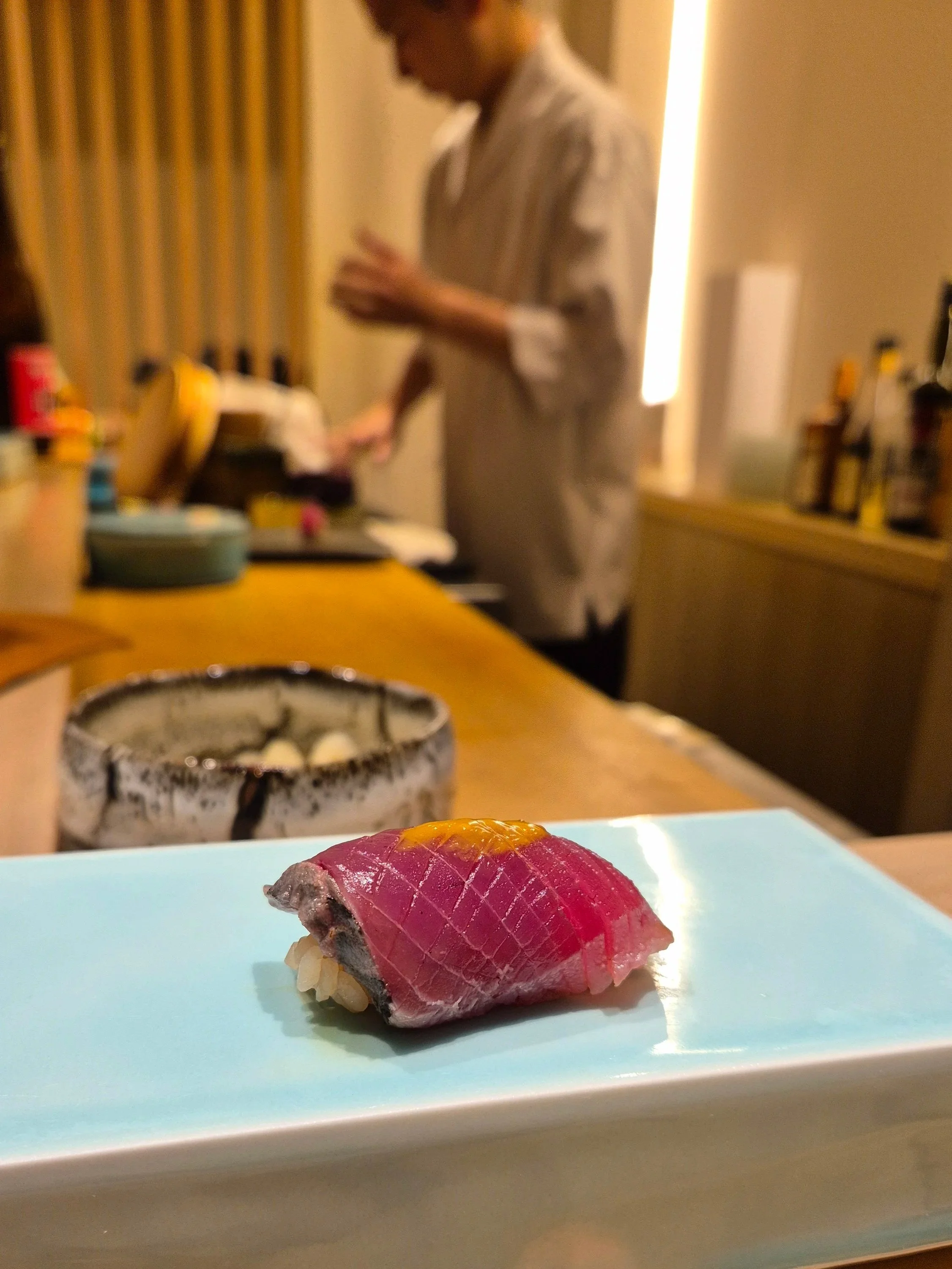
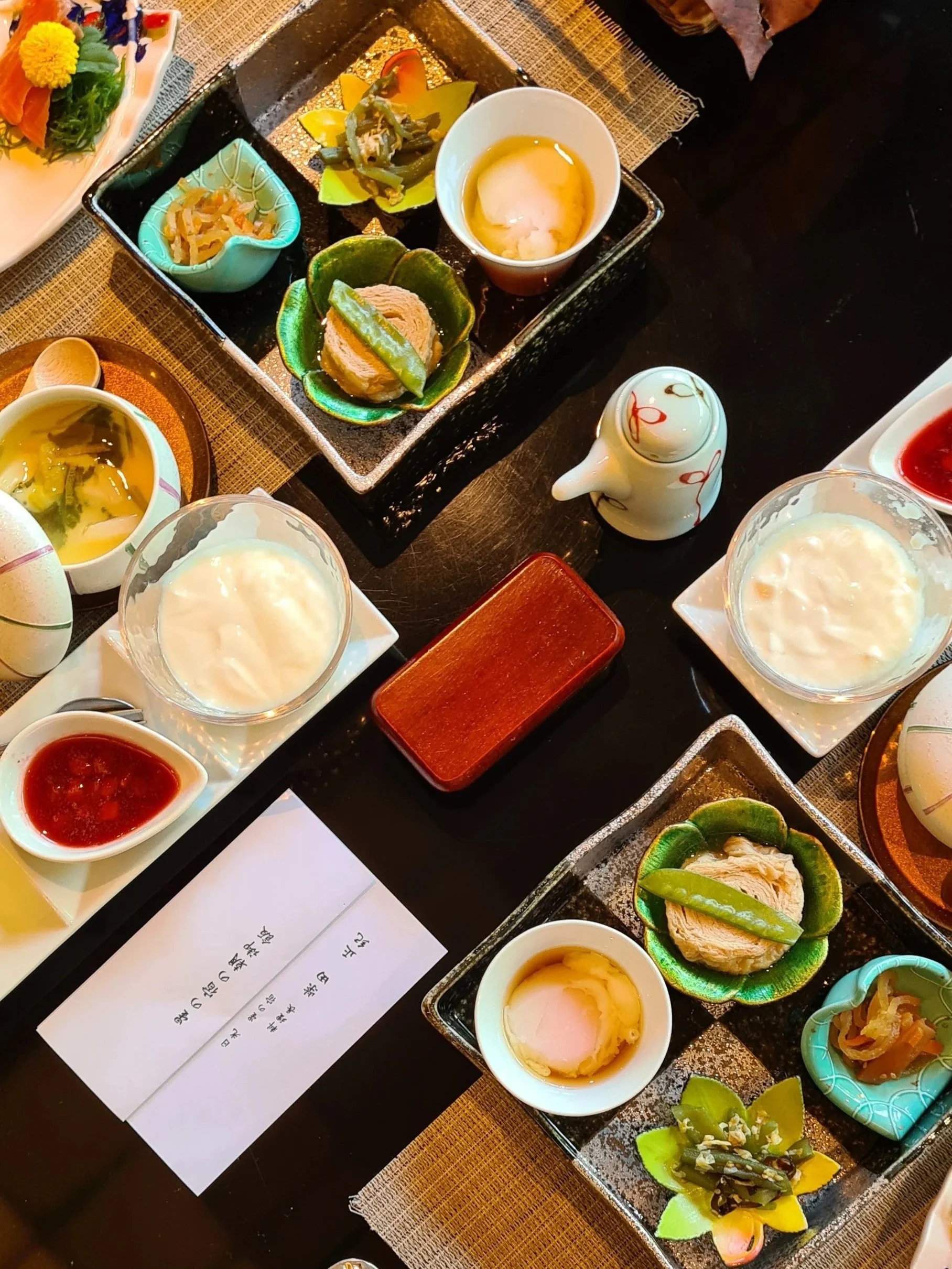
Japan has some of the world's best dining — but the most sought-after experiences require planning well ahead. Omakase sushi counters, Michelin-starred kaiseki restaurants and even popular local spots in Kyoto and Tokyo often book out weeks or months in advance. If dining is important to your trip — and in Japan, it should be — treat restaurant reservations with the same urgency as accommodation bookings. See our Japan cost guide for what to budget for premium dining experiences.
a.o.mi's insider note
Skip Google Reviews for restaurant research in Japan — locals use Tabelog, and the scoring works differently than you'd expect. A 3.5 isn't average, it's roughly the top 3% of every restaurant in the country. A 3.8+ is exceptional. If you're scrolling past anything under 4.0 assuming it's mediocre, you're filtering out some of the best places to eat in the city. The Japanese-language version has far more reviews than the English one — worth using even with translation, if a place looks promising.
08 Missing the Smaller, Slower Experiences
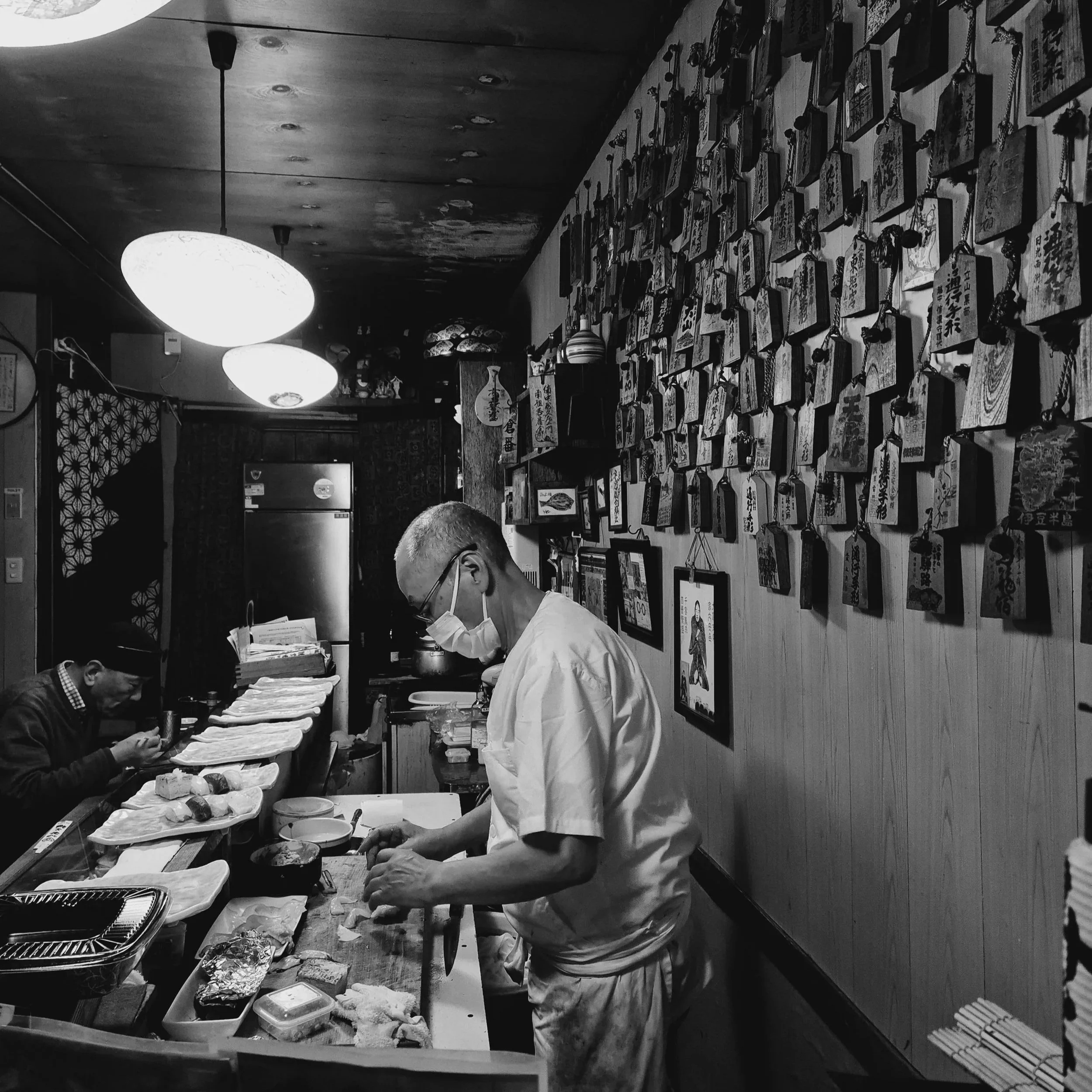
Many first-time visitors focus entirely on major landmarks and rush between them. But often, the most memorable moments in Japan happen in between — a neighbourhood café, a local side street, a regional train ride through the countryside, a small shrine tucked behind a convenience store. Building white space into your Japan itinerary isn't wasted time. It's where Japan reveals itself.
a.o.mi's insider note
Some of my favourite Japan moments from 10 years living there were completely unplanned — a conversation with a ramen shop owner, getting lost in Yanaka, watching elderly men play Go in a park in Osaka. You can't schedule these. But you can leave room for them. Don't fill every hour.
09 Not Understanding Local Etiquette
Japan is one of the most welcoming countries in the world for visitors — but cultural awareness makes a genuine difference to the experience, for you and for the people around you. A few simple things: keep voices low on trains, remove shoes where indicated, queue respectfully and avoid eating while walking in traditional areas. None of this is difficult — and Japanese locals are forgiving of well-intentioned mistakes. But small gestures of awareness open doors that tourist behaviour closes.
a.o.mi's insider note
Japan is one of the most welcoming countries in the world for visitors — but cultural awareness makes a genuine difference to the experience, for you and for the people around you. A few simple things: keep voices low on trains, remove shoes where indicated, queue respectfully and avoid eating while walking in traditional areas. One thing most guides don't explain: Japan Rail Pass holders can't use the fastest Nozomi or Mizuho services, so pass-holding tourists concentrate on the slower Hikari — which is part of why that train can feel more crowded and where etiquette friction with other passengers tends to show up most. If you're not relying on a pass for a particular leg, booking Nozomi gets you a calmer, faster ride for a similar fare. None of this is difficult — and Japanese locals are forgiving of well-intentioned mistakes. But small gestures of awareness open doors that tourist behaviour closes.
10 Trying to Plan Everything Last-Minute
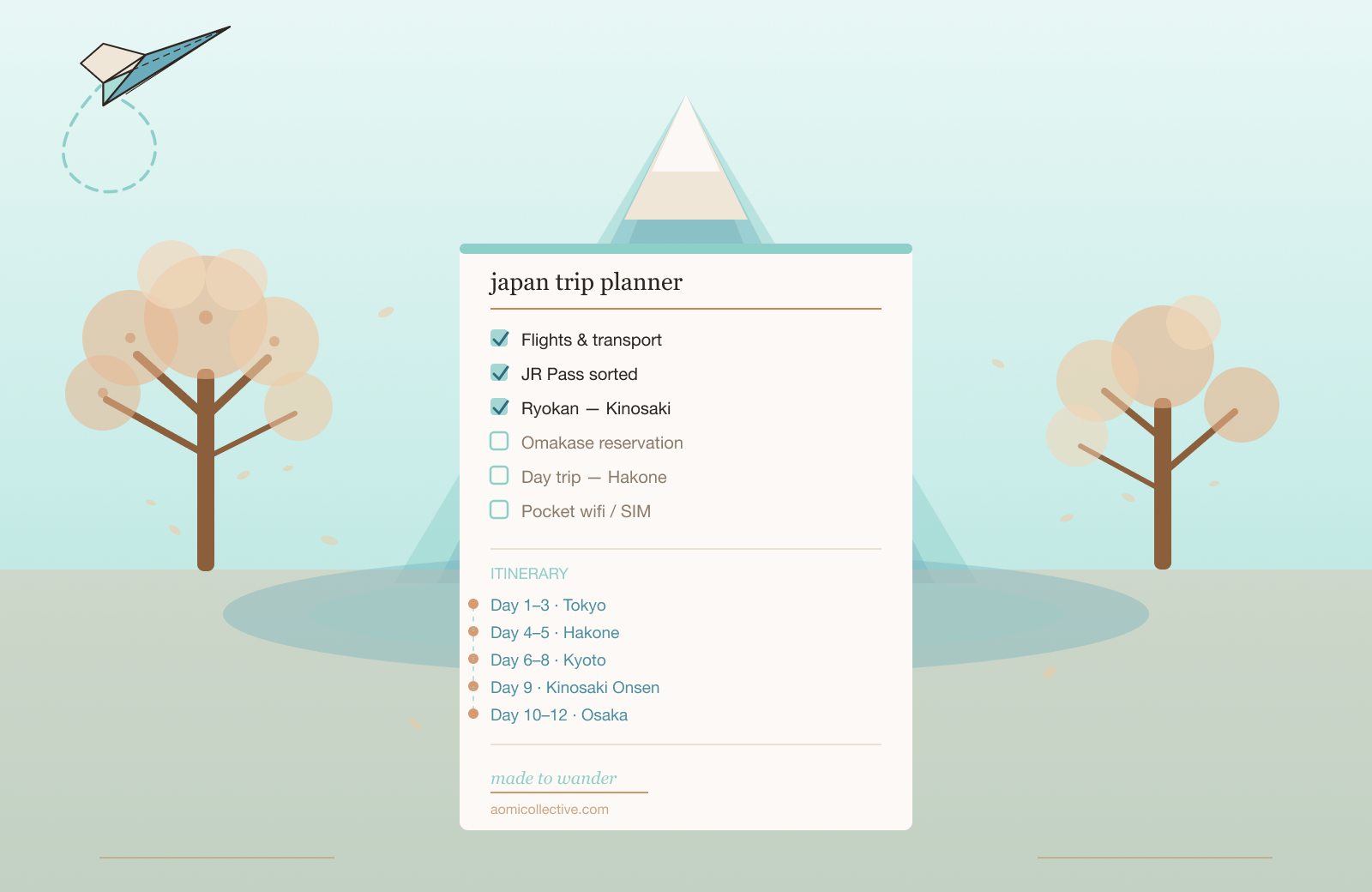
Japan rewards thoughtful planning more than almost any destination. The best ryokan stays, seasonal experiences, dining reservations and accommodation in popular areas — particularly during cherry blossom and autumn foliage seasons require advance organisation. The earlier you plan, the more choice you have, the smoother the logistics and the more the experience feels effortless rather than scrambled.
a.o.mi's insider note
I've seen travellers arrive in Japan with nothing booked and have a wonderful time — and I've seen the same approach result in significant stress and missed experiences. The difference is usually the season. Outside of peak periods, last-minute Japan travel is manageable. During cherry blossom or autumn foliage? Plan everything months ahead or accept the constraints that come with not doing so.
So What Makes a Great Japan Trip?
Usually, it's not about doing more. The best Japan trips are thoughtfully paced, well-connected and built around the kind of experience you want — whether that's food, culture, nature, luxury or slower travel. Avoiding the mistakes above doesn't require expert knowledge. It just requires a little time spent planning before you arrive.
For everything you need to start building your trip, see our complete Japan travel guide for Australians, our guide to the best time to visit Japan, where to stay in Japan and a full Japan trip cost breakdown for Australians.
Frequently asked questions
What are the most common mistakes first-time Japan travellers make?
Trying to cover too many cities, not planning accommodation during peak seasons far enough ahead, buying a JR Pass without calculating whether it's worth it, and underestimating how much walking is involved. All of these are easily avoided with a little advance planning.
How far in advance should I book Japan travel?
Book at least 4–6 months ahead for cherry blossom (March–April) and autumn foliage season (October–November). For off-peak travel, 2–3 months ahead is generally sufficient. Ryokans in popular areas like Hakone and Kinosaki book out earliest.
Is the JR Pass worth buying for a first Japan trip?
The JR Pass is usually worth it for multi-city routes with several long-distance Shinkansen legs — such as Tokyo–Kyoto–Osaka–Hiroshima over 14 days — and usually isn't for shorter trips concentrated in one or two cities. Following a significant price increase, many standard itineraries no longer justify the cost. See our full Japan trip cost guide, where we break down exactly when the JR Pass is and isn't worth it for your specific route.
How many cities should I visit in Japan for a first trip?
For a 10–14 day first trip, three to four cities is the right balance — Tokyo, Kyoto, Osaka and one regional destination like Hakone or Nara. More than this and you spend too much time moving rather than experiencing. See our recommended first-time Japan itinerary for a full breakdown.
Do I need to book restaurants in advance in Japan?
Yes, for popular restaurants, omakase counters and kaiseki dining — often months in advance. Everyday dining doesn't require advance booking. The mistake is wanting a specific high-end experience and discovering it's booked out. If dining matters to your trip, treat restaurant reservations as seriously as accommodation.
You might also find these useful
→ How much does a trip to Japan cost from Australia?
→ Japan Travel Guide: everything you need to know before you go
→ Japan Transport Guide: Trains, IC Cards & Getting Around
→ When is the best time to visit Japan? A season-by-season guide
→ The perfect 14-day Japan itinerary for first-time visitors
plan your personalised japan journey
tell us about your trip and we'll be in touch within 1–2 business days to start designing your itinerary.
start planning my trip