The Perfect 14-Day Japan Itinerary for First-Time Visitors (2026)
⏲ 9 mins read · last updated June 2026
Planning your first trip to Japan and wondering how to make the most of two weeks? For most Australian travellers, 14 days is the ideal amount of time to experience Japan's highlights without feeling rushed — balancing vibrant cities, traditional culture, extraordinary food and unforgettable landscapes at a pace that lets you actually absorb it all.
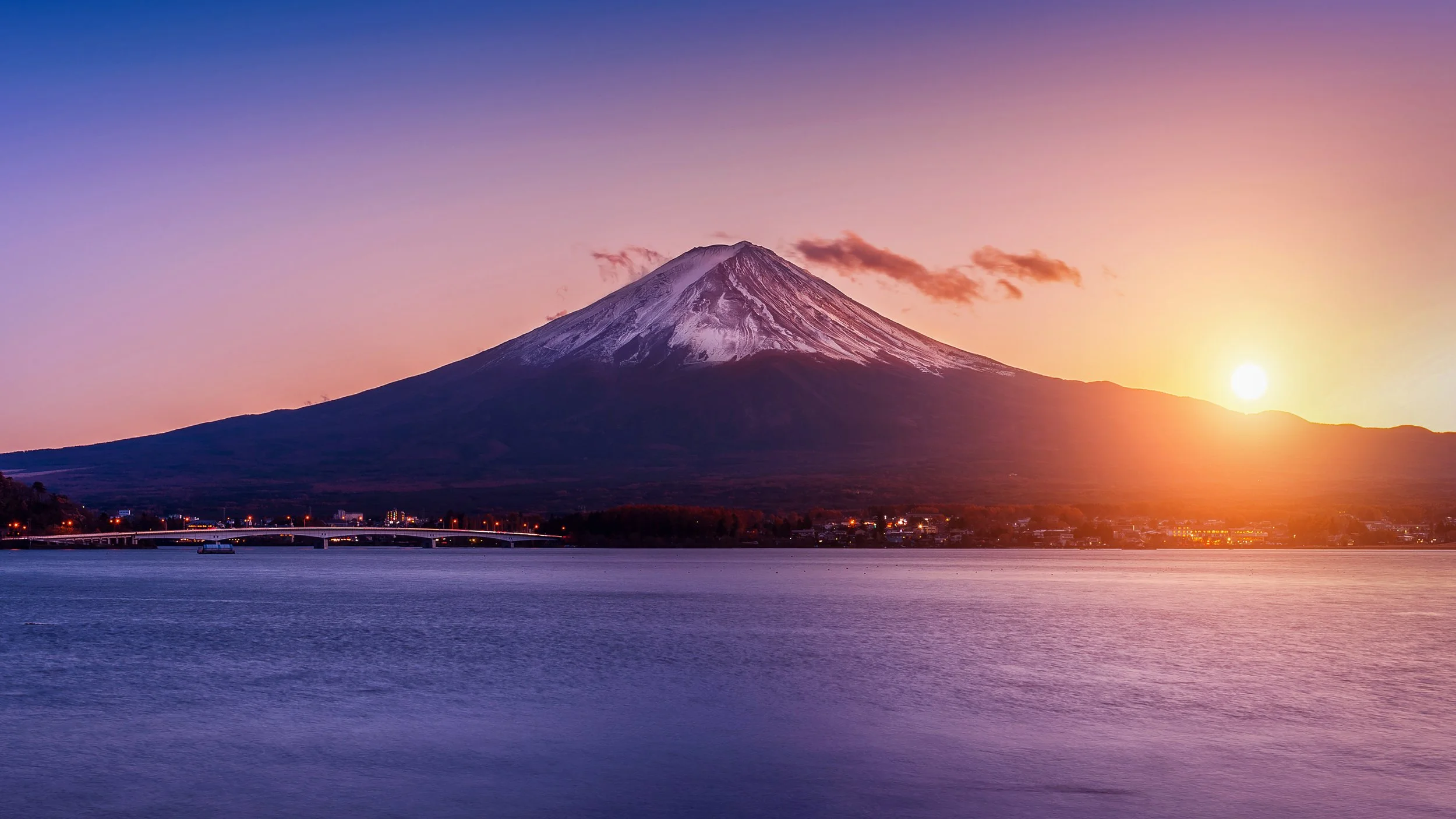
Is 14 Days Enough for Japan?
For a first trip — yes. A well-planned 14-day Japan itinerary gives you enough time to experience Tokyo, Hakone, Kyoto, Nara and Osaka properly, without the rushed, checklist feeling that comes from trying to cover too much ground. The goal of this itinerary isn't to see everything — it's to experience Japan well, and leave already planning your return.
Before locking in your dates, see our guide to the best time to visit Japan — timing your trip around cherry blossom season or autumn foliage can significantly shape the experience.
14-day itinerary at a glance
Days 1–4: Tokyo
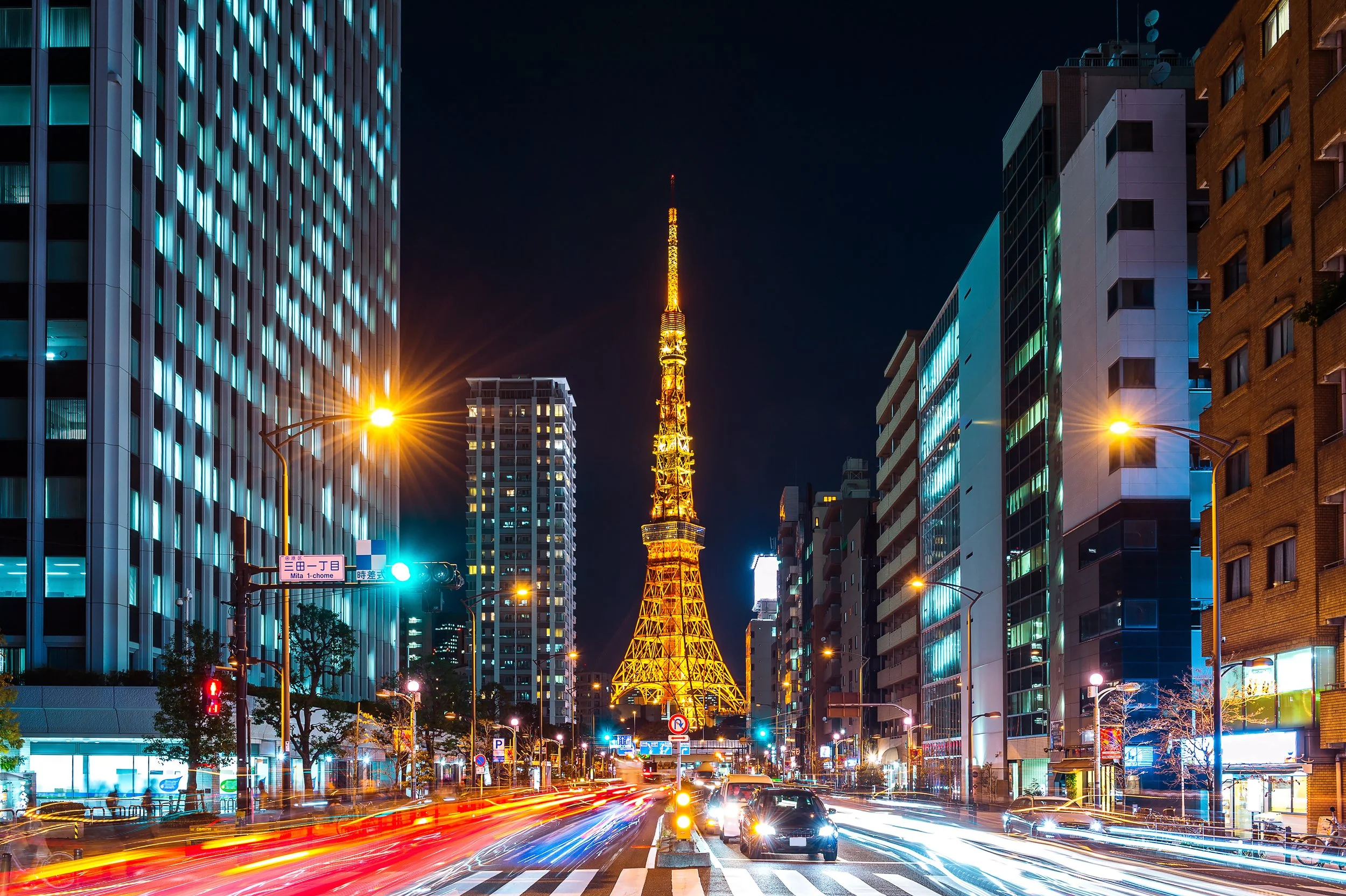
Begin your journey in Tokyo — one of the world's great cities, and the best possible introduction to Japan. Tokyo blends centuries-old tradition with cutting-edge modern culture in a way that takes most visitors completely by surprise. Four days here barely scratches the surface, but it gives you enough time to understand the city's scale and start to feel how it works.
Highlights: Shibuya Crossing, Meiji Shrine, Asakusa and Senso-ji Temple, Shinjuku, Ginza, TeamLab Borderless
Suggested pace: Explore different neighbourhoods each day rather than rushing between attractions. Each district has its own distinct character — Asakusa feels like old Tokyo, Shibuya like the future, Yanaka like a village within the city. Reward wandering.
For the best neighbourhood to base yourself, see our guide to where to stay in Tokyo. For first-time visitors, Shinjuku is hard to beat for transport convenience.
a.o.mi's insider note
Visit Senso-ji in Asakusa early in the morning — before 8am if you can manage it. The temple precinct is one of the most photographed in Japan, and for good reason, but midday crowds can overwhelm the atmosphere. Early morning is a completely different experience. Same principle applies to Shibuya Crossing — extraordinary at night, hectic at midday.
Days 5–6: Hakone and the Mt Fuji Region
Leave the city behind and head towards Hakone — a welcome break between Tokyo and Kyoto that introduces a completely different side of Japan. Hot springs, mountain scenery and some of the country's most iconic views make this one of the most memorable stops on any first-time itinerary.
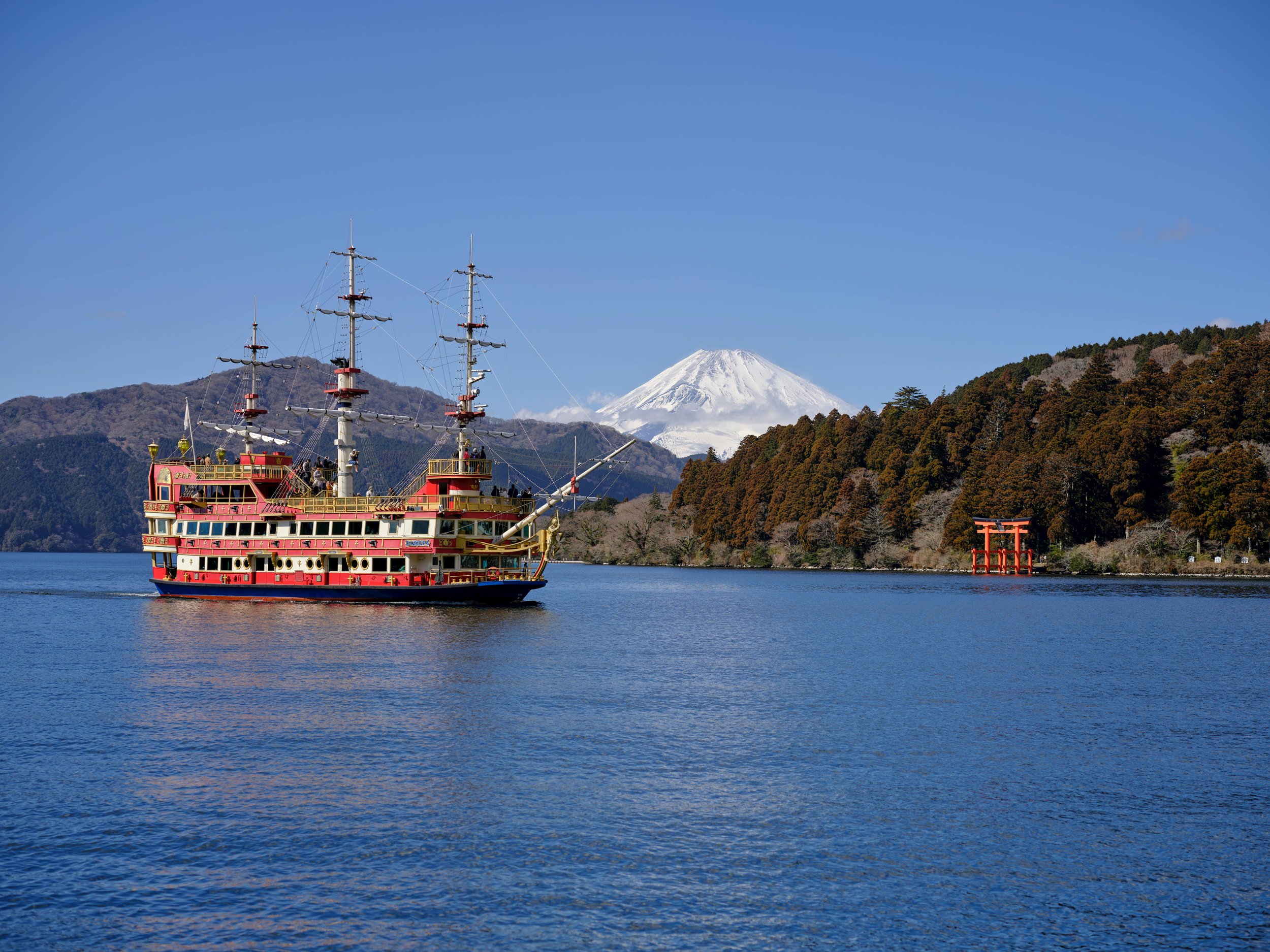
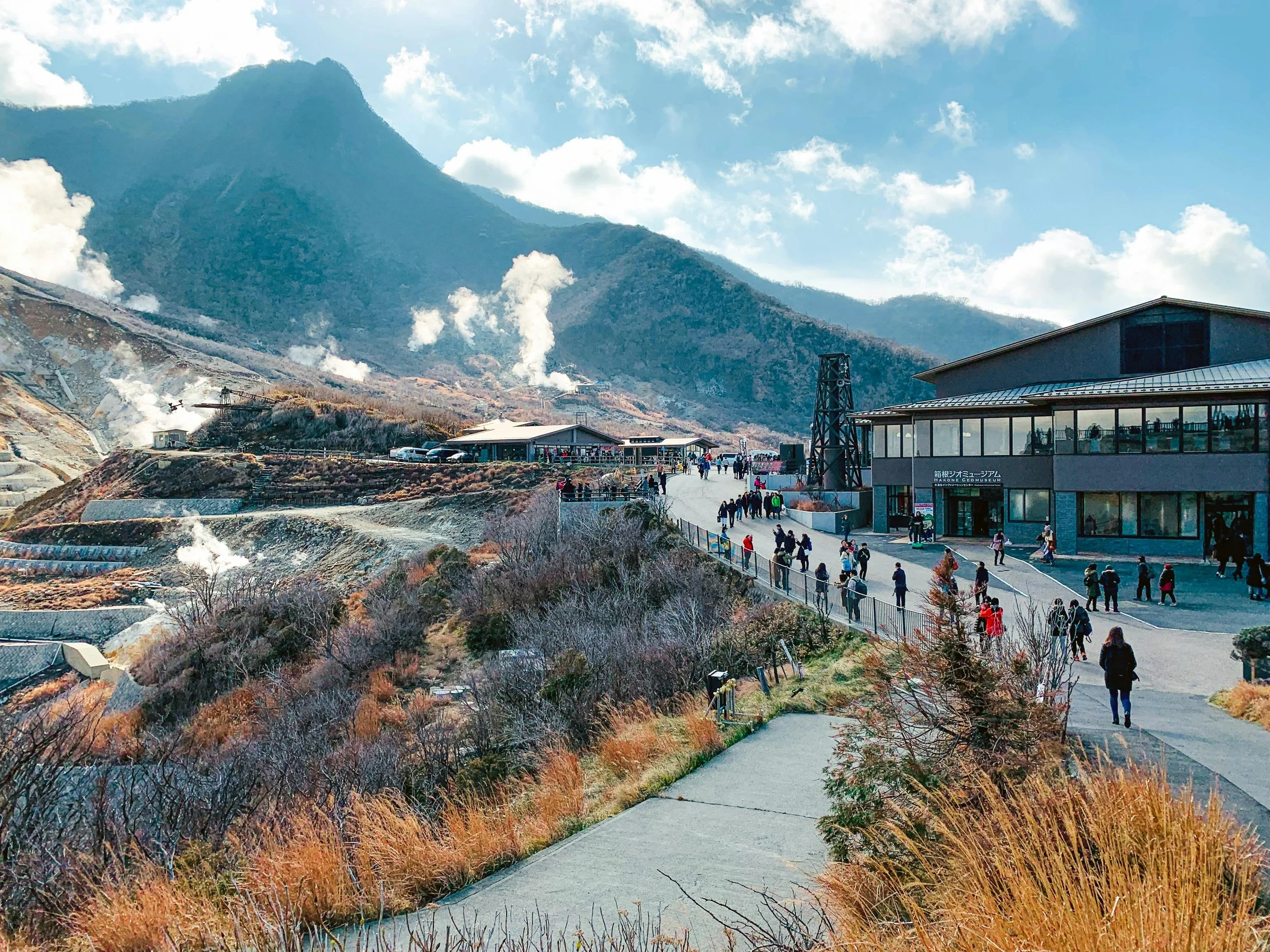
Highlights: Lake Ashi, Hakone Ropeway, Open-Air Museum, onsen experience, Mt Fuji viewpoints (weather permitting)
A traditional ryokan stay in Hakone is highly recommended — this is the ideal introduction to ryokan culture for first-time visitors. Tatami rooms, kaiseki dinner, traditional breakfast and an outdoor onsen overlooking the mountains. For what to budget, see our Japan cost guide.
a.o.mi's insider note
Mt Fuji views from Hakone are entirely weather-dependent — don't build your whole trip around them. Hakone is wonderful regardless of whether Fuji appears through the clouds. The ryokan, the onsen, the open-air museum and the ropeway are all worth the stop on their own. If Fuji shows itself, consider it a bonus.
Want help choosing the right ryokan for your first night? we handpick accommodation for every client — start here.
Days 7–10: Kyoto
Continue by Shinkansen to Kyoto — Japan's former imperial capital and the spiritual heart of the country. If Tokyo is Japan at its most modern, Kyoto is Japan at its most ancient. Four days here feels appropriate and still won't be enough — the city rewards slowing down more than almost anywhere else in Japan.
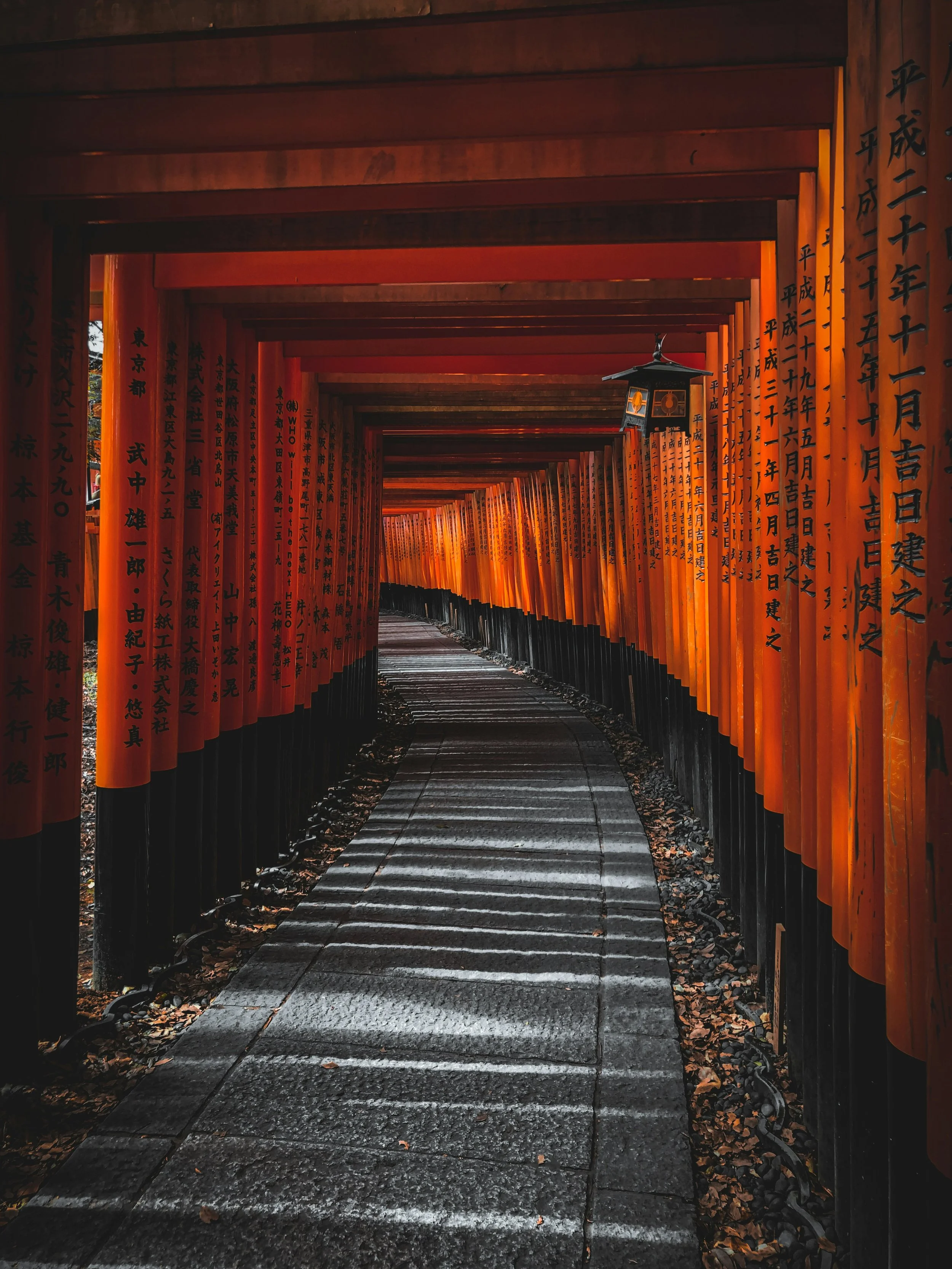
Highlights: Fushimi Inari Taisha, Kinkaku-ji (Golden Pavilion), Arashiyama Bamboo Grove, Gion district, Nishiki Market, Philosopher's Path
Suggested pace: Kyoto is best experienced slowly. Allow time to explore early in the morning before crowds arrive, and leave space for quiet discoveries beyond the major sights. Many of the best moments in Kyoto happen away from the main tourist trail — a small shrine, a traditional machiya café, a lantern-lit side street in Gion.
For where to stay, see our guide to where to stay in Kyoto. Gion or Higashiyama puts you within walking distance of the city's best experiences.
a.o.mi's insider note
Visit Fushimi Inari at dawn — before 7am if you can manage it. The torii gate tunnel is one of the most photographed sights in Japan for good reason, but the midday crowds make it feel like a theme park. Early morning is a completely different experience. The same applies to Arashiyama's bamboo grove — magical at dawn, exhausting at noon.
Day 11: Nara Day Trip
A short 45-minute train ride from Kyoto, Nara makes for an easy and genuinely memorable day trip. Hundreds of freely roaming deer, the spectacular Todai-ji temple housing Japan's largest bronze Buddha, and the atmospheric Kasuga Taisha Shrine make this one of the most rewarding stops on any first-time Japan itinerary — and it's often underestimated.
a.o.mi's insider note
Nara is best visited mid-week if possible — weekends bring significant domestic crowds to what is otherwise a genuinely serene destination. Arrive early, walk beyond Nara Park toward the quieter shrine paths through the forest, and you'll find a version of Nara most day-trippers never see.
Days 12–13: Osaka
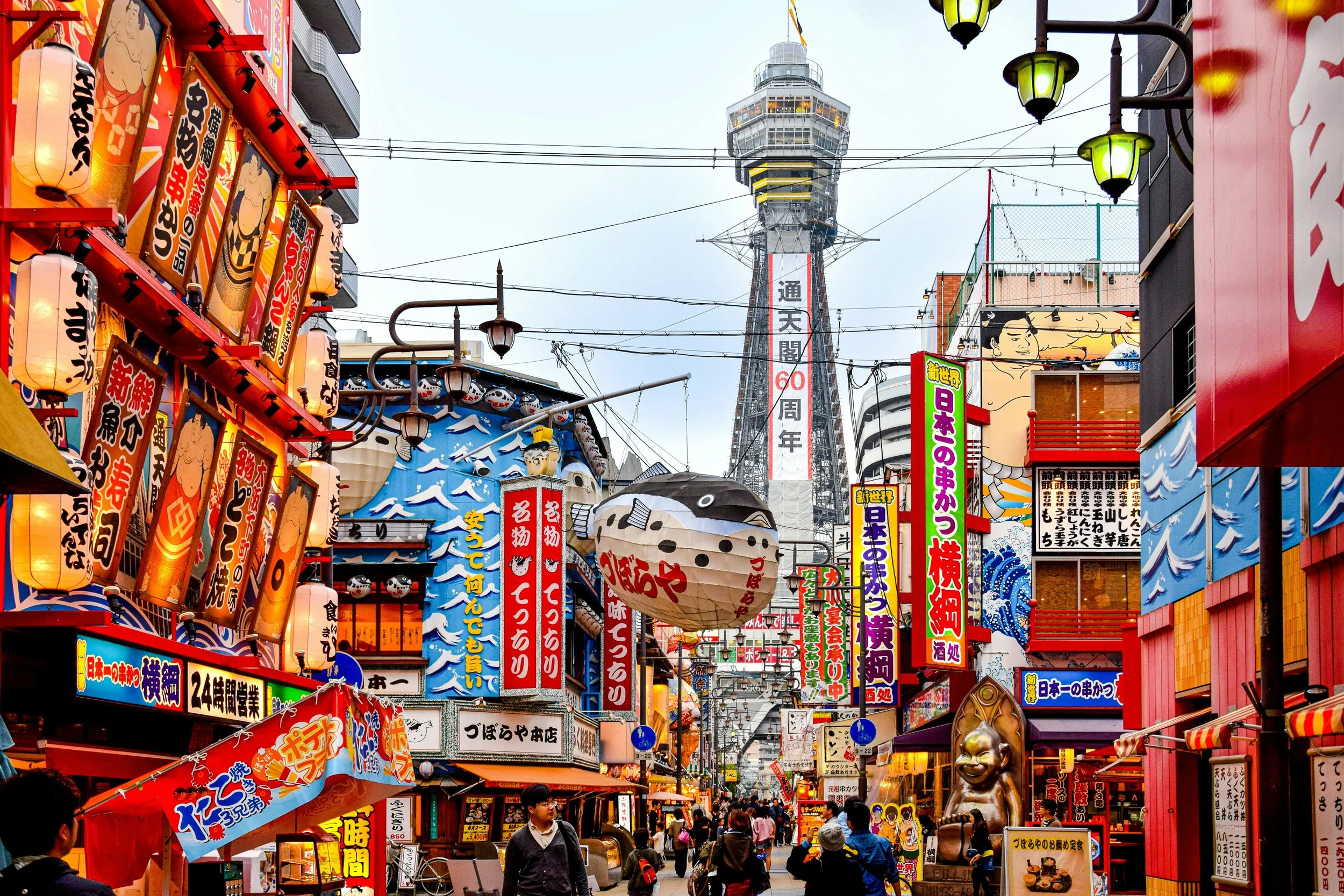
Spend your final days in Osaka — Japan's most underrated major city and, for many travellers, an unexpected highlight of the trip. Osaka is energetic, unpretentious and completely built around food in a way that sets it apart from everywhere else in the country.
Highlights: Dotonbori, Osaka Castle, Kuromon Market, Umeda Sky Building, Shinsekai, Universal Studios Japan
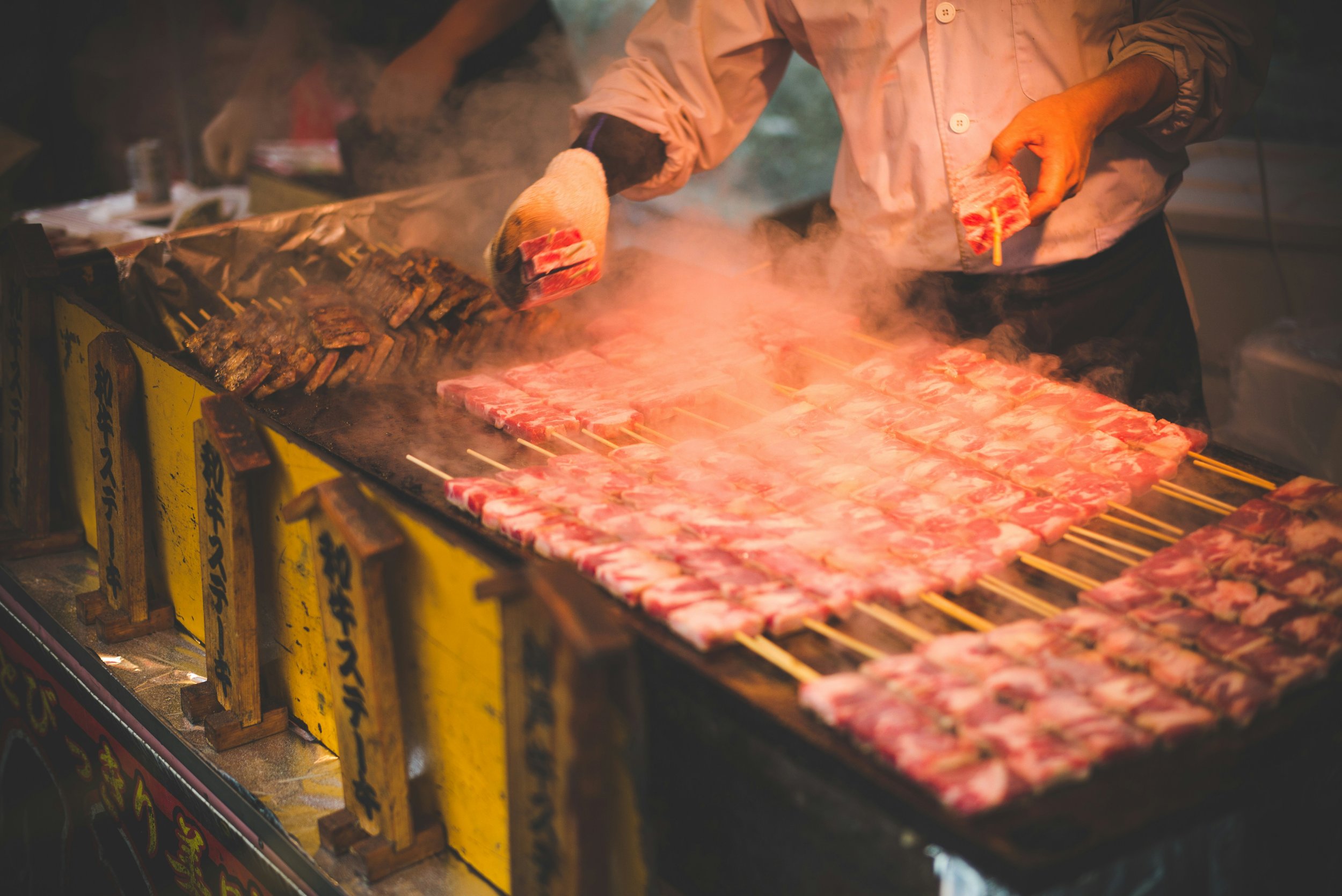
Food experiences: Osaka is Japan's kitchen. Takoyaki, okonomiyaki, kushikatsu and local izakaya dining are essential. Don't over-schedule paid activities here — leave time to wander, eat and eat again. See our Japan cost guide, for what to budget for dining in Osaka.
For where to stay in Osaka, see our full where to stay in Japan guide — Namba is the right base for first-time visitors.
a.o.mi's insider note
Osaka is best experienced at night — the city comes alive after dark in a way Tokyo and Kyoto simply don't. Don't miss Hozenji Yokocho, a small lantern-lit alley tucked behind the Dotonbori crowds. It's one of those Osaka moments that feels like a genuine discovery.
Day 14: Departure
Depending on your flights, either depart from Osaka (Kansai Airport — ideal if flying out on day 14) or return to Tokyo via Shinkansen for a late-afternoon or evening departure. An open-jaw itinerary — arriving into Tokyo and departing from Osaka — is highly recommended. It often costs the same as a return fare, removes the need to backtrack, and means your last Shinkansen journey moves you forward rather than back. See our Japan cost guide for more on open-jaw ticketing from Australia.
Optional Additions — If You Have More Time
If you've visited Japan before or have additional days to spare, consider adding one of these destinations to your itinerary:
Hiroshima and Miyajima — for history, culture and one of Japan's most iconic floating torii gate views. An easy Shinkansen day trip from Osaka or Kyoto.
Kanazawa — known for preserved samurai and geisha districts, one of Japan's finest gardens (Kenroku-en) and traditional craftsmanship. A less visited alternative to Kyoto.
Takayama — a charming mountain town in the Japanese Alps offering a slower pace, traditional farmhouses and excellent sake. Best combined with Hakone if you have an extra two days.
Why This Itinerary Works
This route works because it balances modern cities, traditional culture, nature and onsen, food experiences and efficient transport — while deliberately avoiding the most common Japan travel mistake of trying to see too much in a limited timeframe. Each destination is given enough time to breathe, and the flow — Tokyo to Hakone to Kyoto to Osaka — follows Japan's natural geography without backtracking.
Estimated Cost for 14 Days from Australia
| Travel style | Estimated total per person (AUD) |
|---|---|
| Mid-range | $5,000 - $7,500 |
| Premium | $8,000 - $14,000+ |
Includes flights, accommodation, transport, food and activities. For a full itemised breakdown see our Japan trip cost guide for Australians.
Frequently asked questions
Is 14 days enough for Japan as a first-time visitor?
Yes — 14 days gives you the right balance of time to experience Japan's highlights without feeling rushed. This itinerary covers five destinations across Tokyo, Hakone, Kyoto, Nara and Osaka at a comfortable pace. Less than 10 days means making difficult trade-offs; more than 14 days opens up regional Japan significantly.
What is the best time of year for this Japan itinerary?
Late March to early April for cherry blossoms, or late October to November for autumn foliage — both offer Japan at its most visually stunning. See our full best time to visit Japan guide for a month-by-month breakdown including crowd levels and pricing.
Do I need a JR Pass for this itinerary?
Possibly — it depends on your exact routes and whether you add Hiroshima. Following a significant price increase the JR Pass is no longer automatically worth it. See our Japan trip cost guide where we break down exactly when the pass pays for itself and when individual tickets are cheaper.
Should I fly into Tokyo and out of Osaka?
Yes — an open-jaw itinerary arriving into Tokyo (Narita or Haneda) and departing from Osaka (Kansai) is highly recommended. It removes the need to backtrack, often costs the same as a return fare and means your final Shinkansen journey moves you forward rather than back to the start.
How do I get between cities on this itinerary?
The Shinkansen (bullet train) connects all major cities on this itinerary. Tokyo to Hakone takes around 85 minutes on the Romancecar from Shinjuku. Hakone to Kyoto takes around 2.5 hours via Shinkansen from Odawara. Kyoto to Osaka is just 15 minutes. See our Japan cost guide for all transport costs.
You might also find these useful
→ How much does a trip to Japan cost from Australia?
→ Japan Travel Guide: everything you need to know before you go
→ When is the best time to visit Japan? A season-by-season guide
→ Where to stay in Japan: best areas and accommodation for every travel style
plan your personalised japan journey
tell us about your trip and we'll be in touch within 1–2 business days to start designing your itinerary.
start planning my trip